Acoustic Insulation at National Gas Transmission Compressor Stations
Acoustic Insulation at National Gas Transmission Compressor Stations
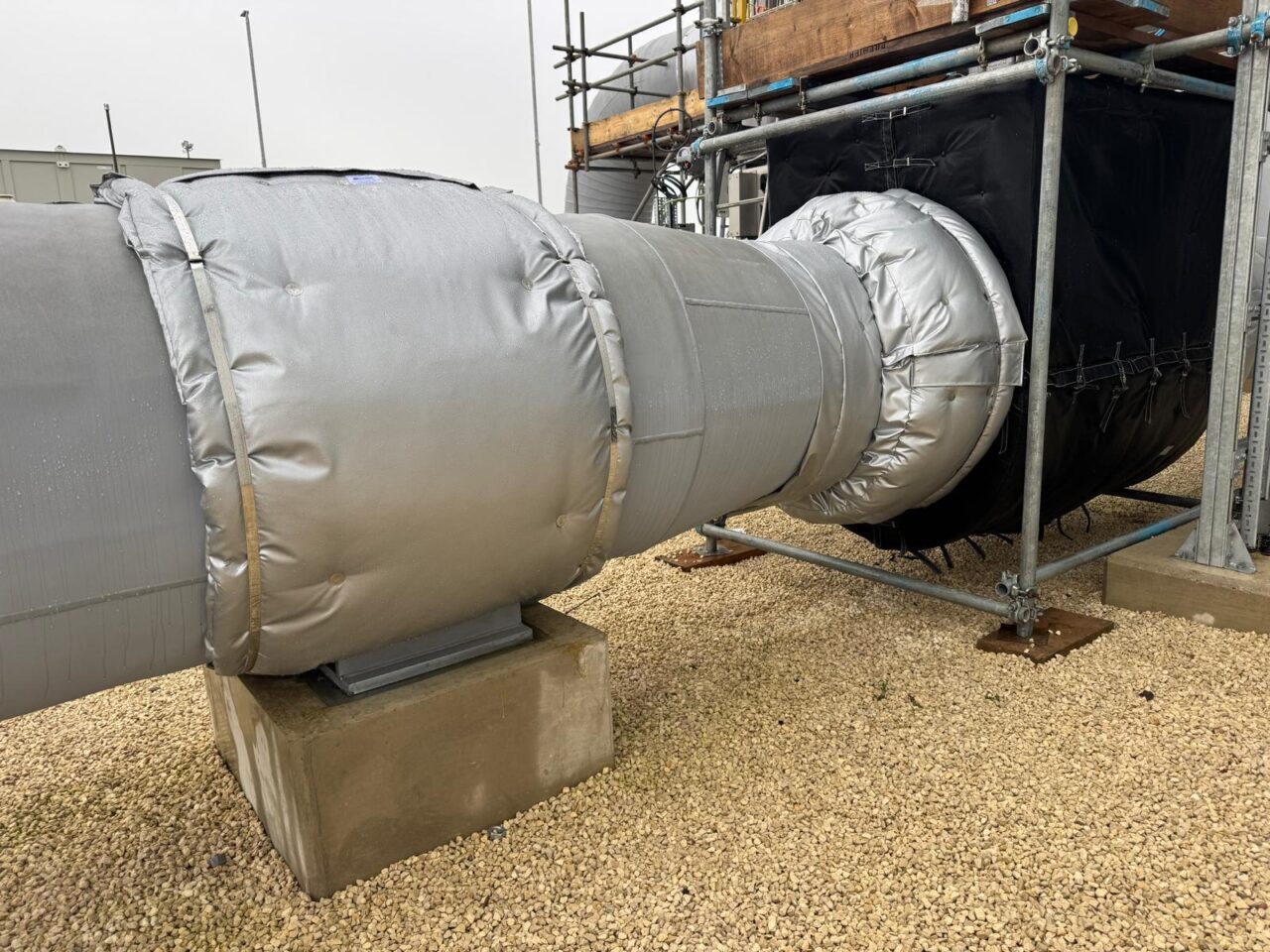
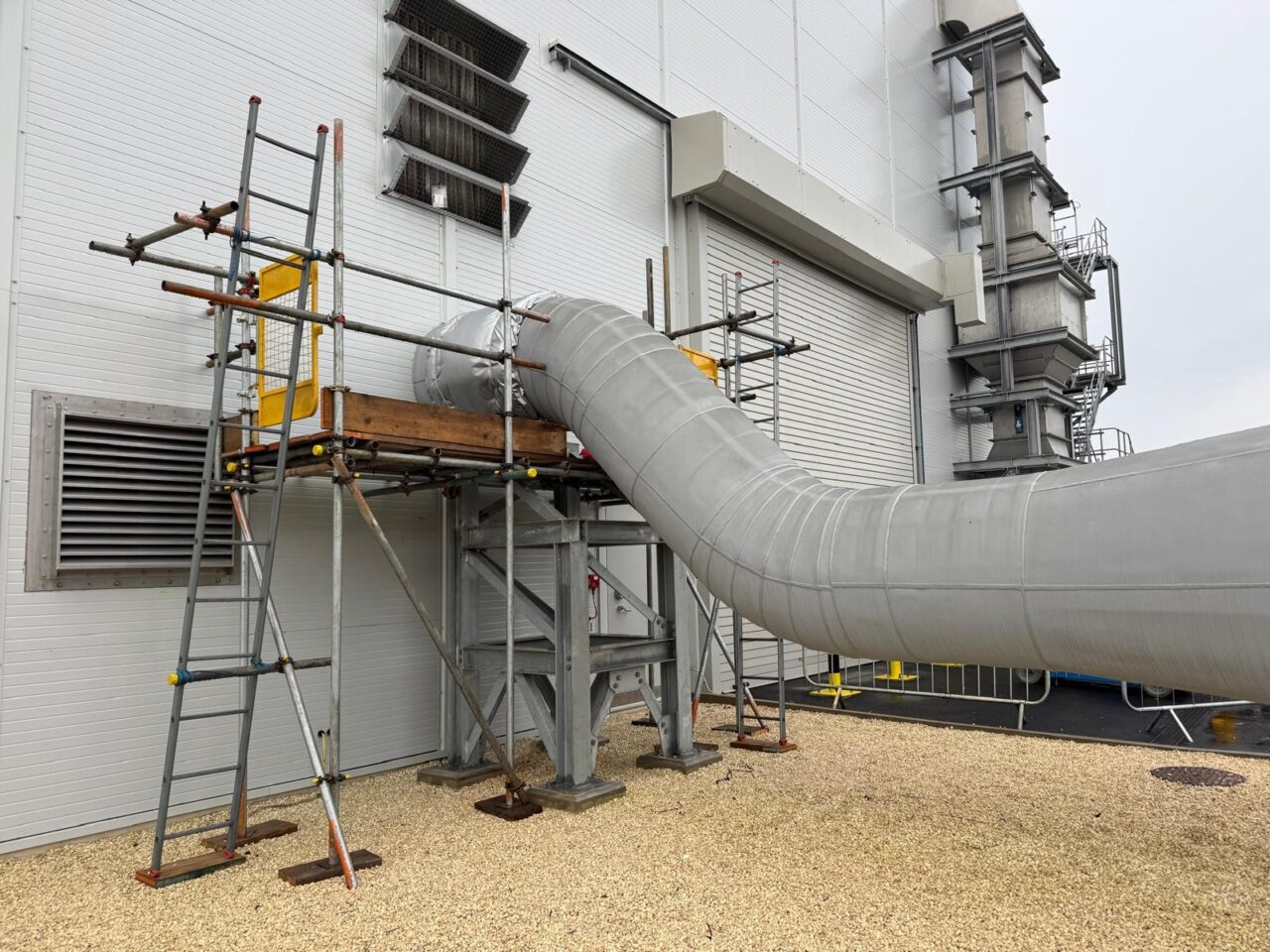
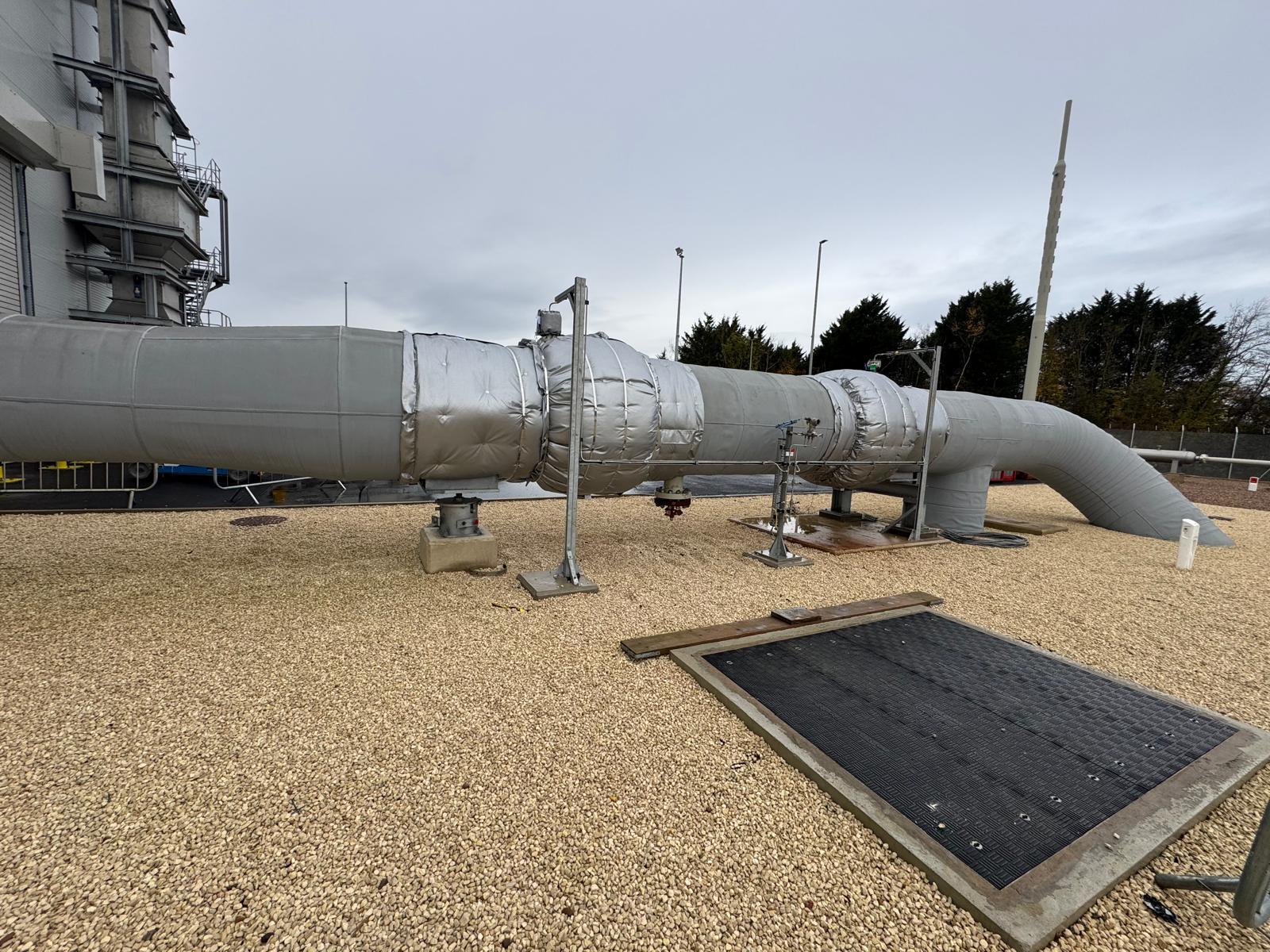
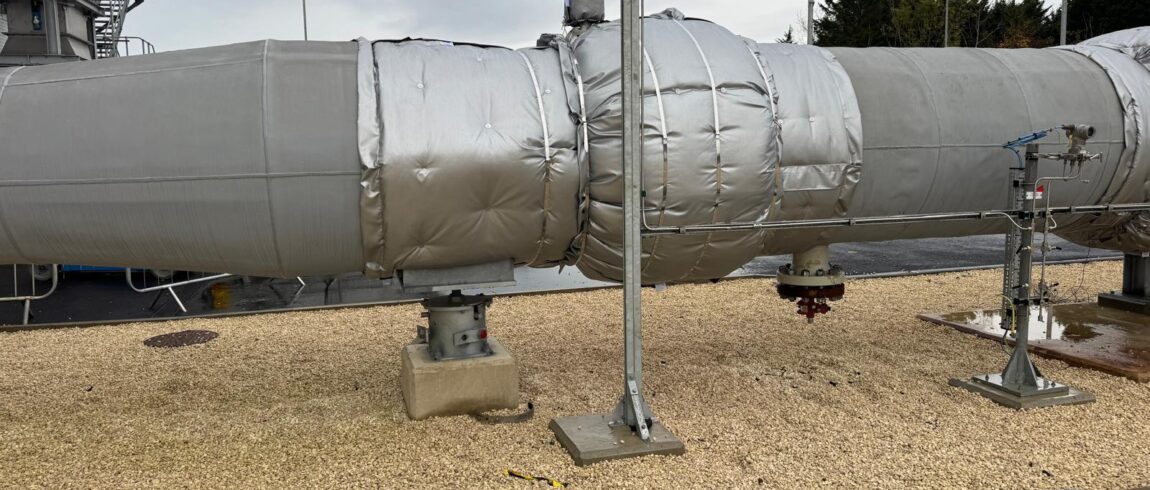
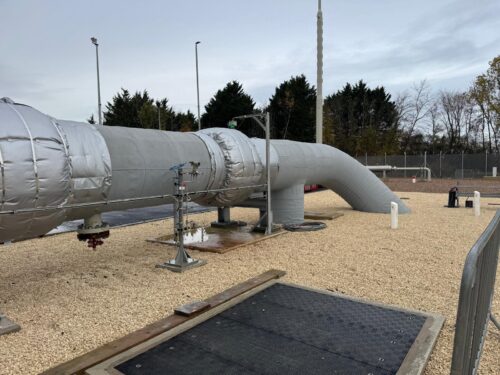
National Gas Transmission required a specialist acoustic insulation contractor to install a seven-layer nitrile rubber system at multiple compressor stations across the North of England. The system ran to 84mm thick, was installed at zero bonding tolerance, and had to be completed through the full winter operating season — September to May.
At a glance
- Sector
- Gas Transmission
- Location
- North of England (multiple compressor stations)
- Challenge
- Seven-layer nitrile acoustic system, 84mm thick, installed at 0mm bonding tolerance
- Result
- Ofgem-validated installation; Fenix appointed Principal Contractor on site
- Duration
- September to May — through the full winter operating season
- Services
- Acoustic insulation
The Challenge
National Gas Transmission runs some of the most demanding insulation specifications in the country, and this was one of them. The system was seven layers of nitrile rubber, 84mm thick in total, fully bonded at zero tolerance. Once a layer was glued it stayed where it landed. There was no second attempt and no margin to reposition.
The work ran from September to May, through the coldest and wettest months of the year. Adhesive will not take on steel sitting below the dew point — a film of condensation you cannot always see sits between the glue and the metal. A bonded acoustic system is only as good as the bond, and the bond is decided by conditions people never measure.
How Fenix Delivered It
The dew point became the programme. Fenix monitored atmospheric conditions before and during each session and worked only when steel temperatures exceeded dew point by the required margin — with a clear no-go protocol that the team stuck to.
Geometry was calculated before any material was cut. Compressor casings have flanges, bolts, brackets and compound curves. Every panel was dimensioned, cut and trial-fitted before adhesive was applied. The result was a complete, voids-free installation that passed Ofgem validation. Fenix was subsequently appointed Principal Contractor on site.
Why Acoustic Specification Matters
Gas compressor stations generate significant low-frequency noise from rotating machinery. The acoustic specification exists to protect both personnel and surrounding communities. A bonded multi-layer nitrile system is more complex and demanding to install than standard lagging — and its performance is entirely dependent on the quality of the bond. There is no retrofit fix for a failed bond on a system like this.
Validation and Traceability
Acoustic performance was validated by Ofgem against the specification. All materials carried full traceability certification.
Frequently Asked Questions
What is a bonded acoustic insulation system?
A bonded acoustic insulation system uses adhesive to fix each layer of insulation material directly to the surface beneath it, eliminating air voids that reduce acoustic performance. A seven-layer system requires seven complete, voids-free bonded surfaces — each one dependent on surface condition, temperature and application technique.
Why does dew point matter for acoustic insulation installation?
Acoustic insulation adhesives will not bond correctly to steel sitting at or below the dew point temperature. A film of condensation — which may not be visually apparent — sits on the metal surface and prevents adhesion. This produces hidden voids that compromise acoustic performance and cannot be remedied without full strip and re-insulation.
What acoustic insulation systems do you install?
We install bonded nitrile rubber multi-layer systems, mineral wool acoustic lagging, composite systems combining thermal and acoustic performance, and acoustic enclosure linings. System selection depends on the noise reduction target, frequency spectrum, space envelope and access requirements.
How does Fenix manage health and safety on gas transmission infrastructure?
Fenix manages its own health, safety and CDM obligations. We carry relevant site inductions for gas transmission sites and manage permit-to-work documentation, risk assessments and method statements in-house.
Related Sector & Services
This project sits within our Oil, Gas & Petrochemical sector work. Follow the links below to explore the full scope of what we deliver across this sector and service line.
Project Gallery
Acoustic insulation installation at National Gas Transmission compressor stations