Sheet Metal Fabrication
Cut to the asset, not the sheet

Sheet Metal Fabrication and Cladding
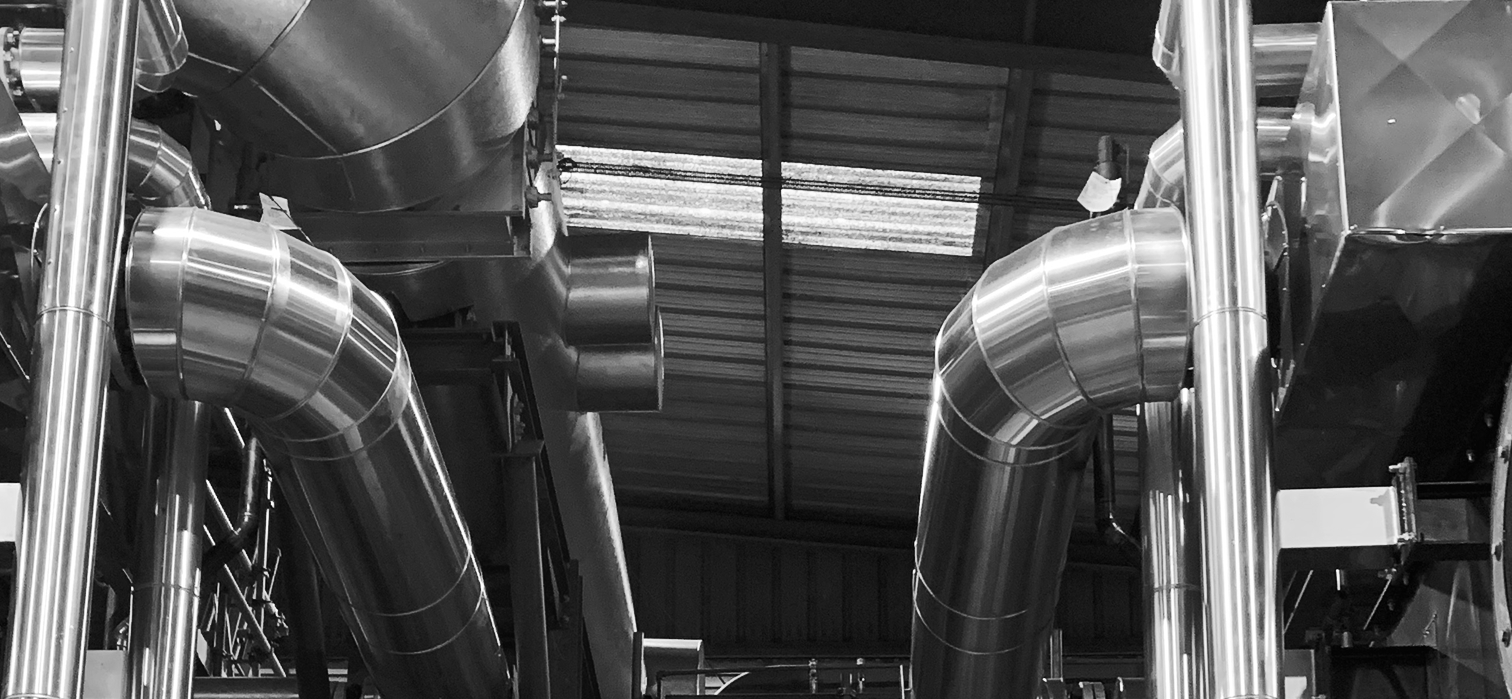
Cladding protects insulation from mechanical damage, weather, and process environments — and on industrial plant, it determines the service life of the insulation system beneath it. Fenix fabricates and installs sheet metal cladding and protection for pipework, vessels, ductwork, and equipment across the UK. All cladding is designed for the installation environment — whether that is weatherproof outdoor cladding on process plant, clean-finish metal cladding on building services, or specialist cladding on high-temperature or chemically aggressive applications.
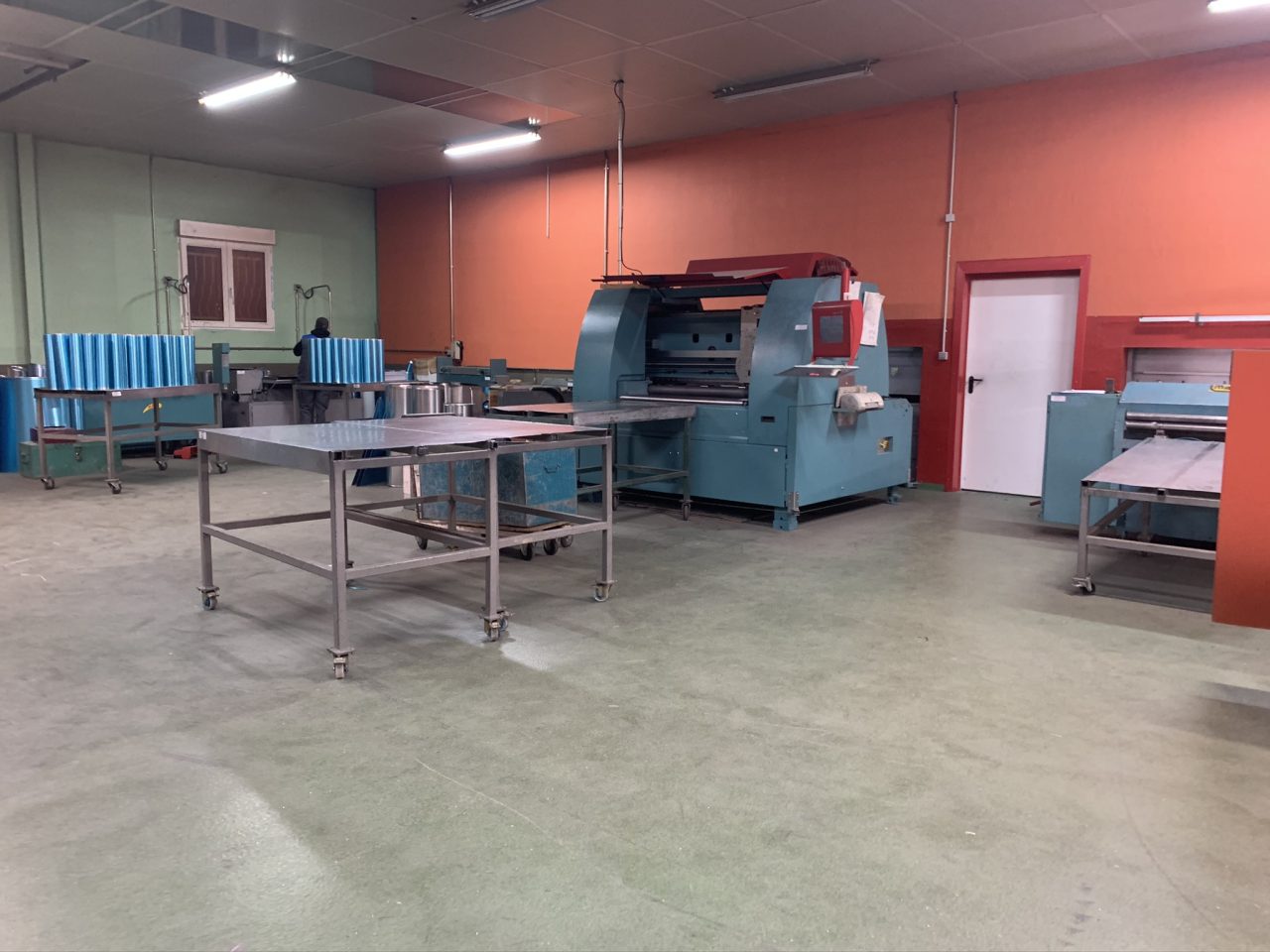
Fenix’s sheet metal capability covers both the fabrication of cladding sections and their installation as part of a complete insulation and cladding package. We fabricate standard and bespoke sections in our workshop and install them on site — maintaining quality control across both elements rather than splitting responsibility between a fabricator and a separate installation contractor.
Cladding design for industrial pipework and plant requires understanding of the insulation system beneath it, the environmental exposure, and the need for removable sections where access is required for maintenance or inspection. Fenix designs cladding systems that are weathertight at all joints and penetrations, allow for thermal movement of the pipework or vessel beneath, and provide secure mechanical protection without creating water traps at low points.
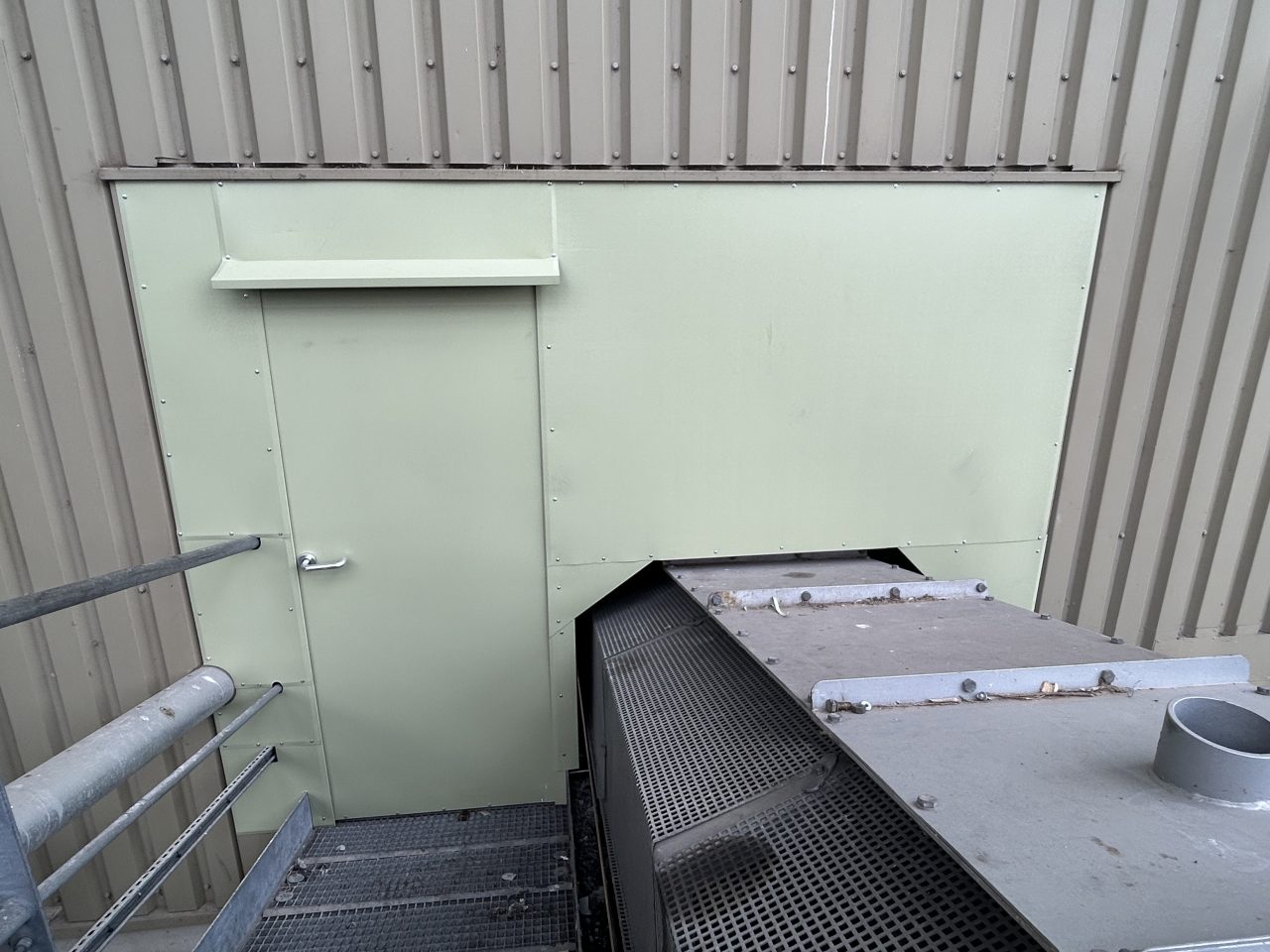
For outdoor process plant — where cladding must exclude rainwater to prevent CUI — the detail of every joint, seam, and penetration matters. Fenix uses sealed and lapped joints, stainless steel fasteners, and specific installation details at low points, penetrations, and structural attachments developed from practical experience on industrial and petrochemical plant.
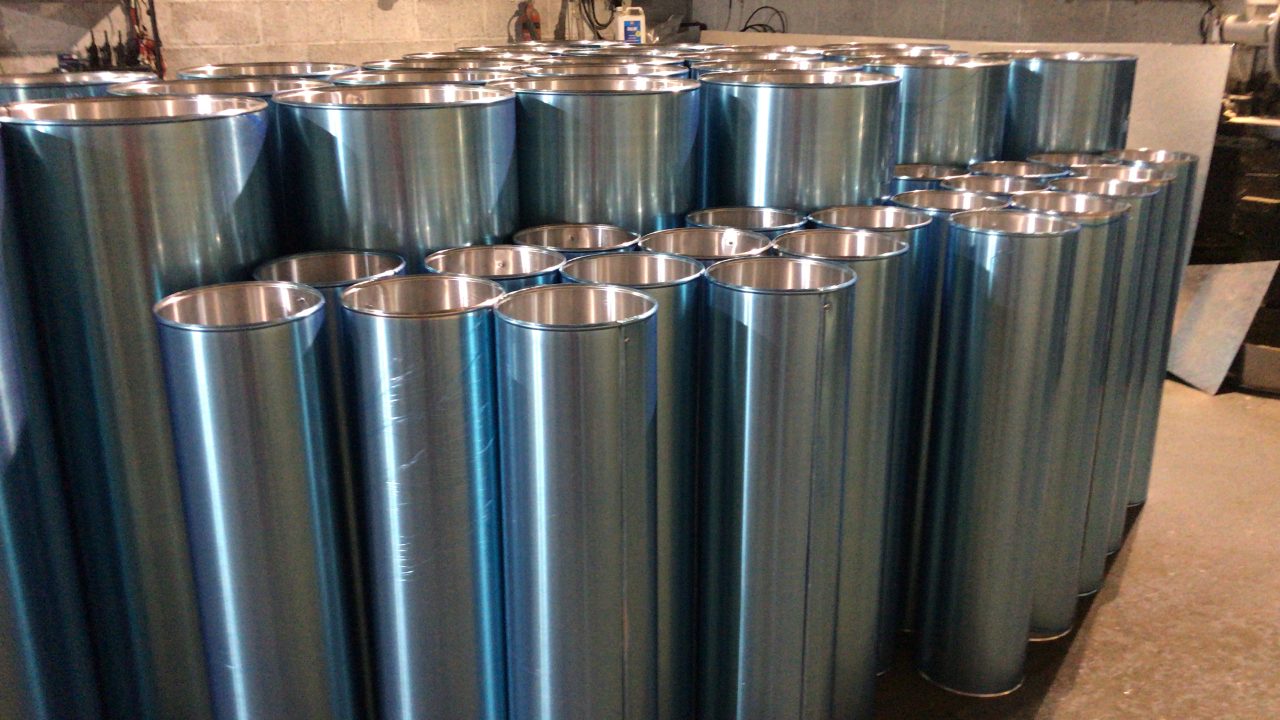
We fabricate in aluminium (1050A and 3003 alloy), stainless steel (304 and 316 grade), and galvanised steel, and we can advise on the appropriate material for the installation environment and specification requirements.
Why Cladding Matters
Insulation without the right cladding does not last. On outdoor process plant, unclad or poorly clad insulation absorbs water, loses thermal performance, and promotes the conditions for corrosion under insulation. On building services plant, insulation that is not mechanically protected degrades under the physical abuse of maintenance access and operational contact.
The cladding specification must match the environment. Stainless steel is used on process plant where corrosion resistance or hygiene is a requirement. Aluminium is used on standard industrial applications where cost and workability are the primary considerations. Galvanised steel is used in wet or aggressive environments where material cost and corrosion resistance must be balanced.
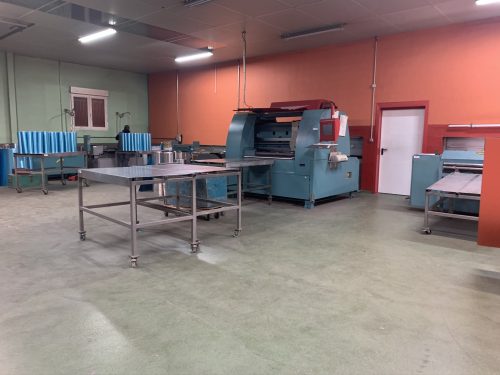
Fenix fabricates cladding in-house where the geometry or specification requires bespoke sections — reducing the lead time and programme risk associated with external fabrication. Standard sections and fittings are stock items. Bespoke fabrication to drawing is available for complex installations.
What We Cover
- Pipework cladding — aluminium, stainless steel, galvanised
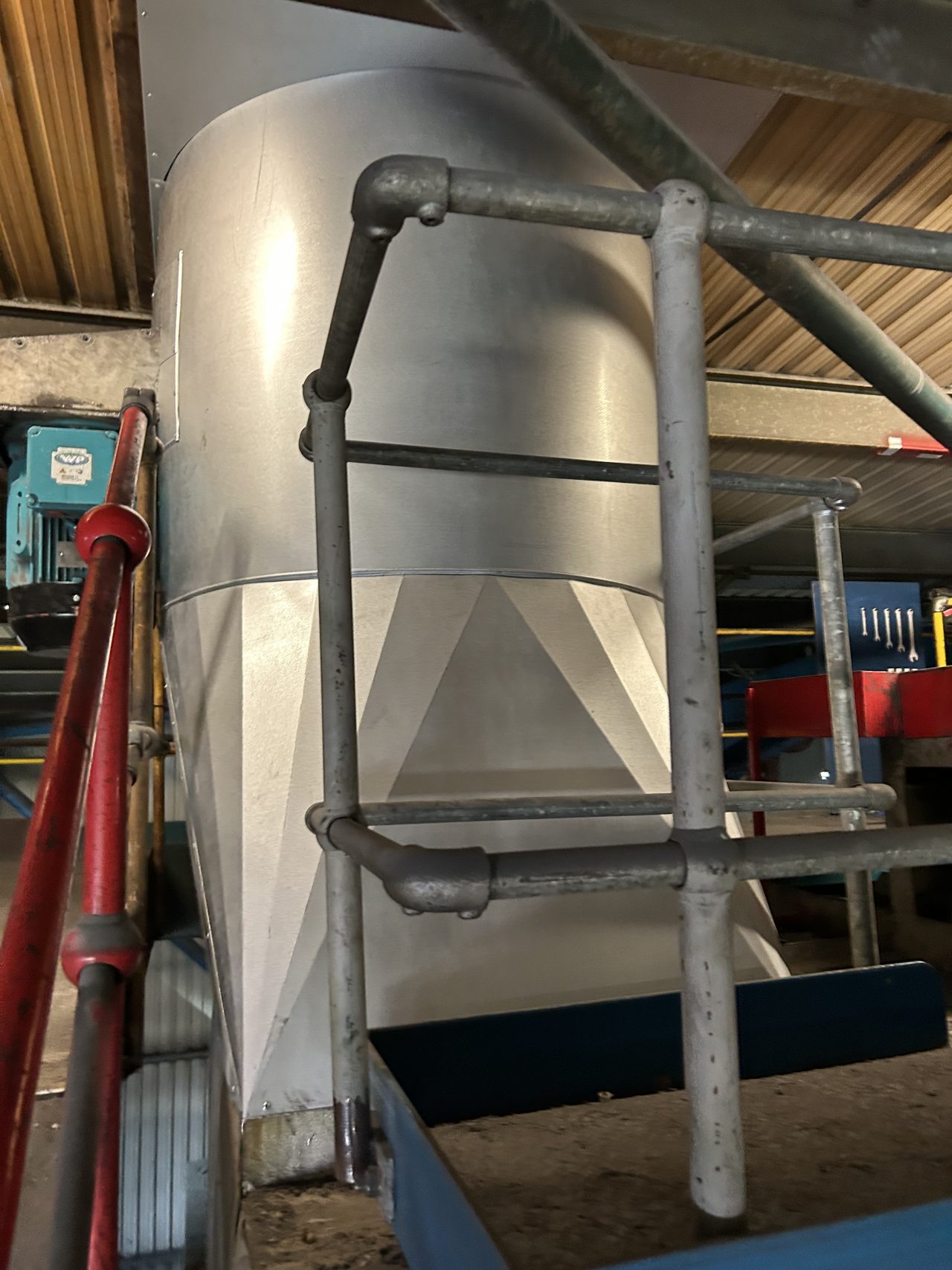
- Vessel and tank cladding and weatherproofing
- Ductwork cladding and protection
- Equipment and plant room cladding
- Bespoke fabrication to drawing
- Weatherproof outdoor cladding systems
- Clean-finish cladding for food, pharmaceutical, and hygienic environments
- Cladding repair and refurbishment
FAQs
What is the role of cladding in an insulation system?
Cladding is the outer protective layer of an insulation system — it protects the insulation material from mechanical damage, water ingress, weather exposure, and process environments. Without appropriate cladding, insulation degrades faster and loses thermal performance. On outdoor process plant, water ingress through failed cladding is the primary cause of corrosion under insulation (CUI). Cladding must be specified and installed correctly to maintain the integrity of the insulation system beneath it.
What materials does Fenix use for insulation cladding?
We fabricate and install cladding in aluminium (standard grade for most industrial applications), stainless steel (where corrosion resistance, hygiene, or appearance is a requirement), and galvanised steel (for aggressive environments where the cost of stainless is not justified). Material selection depends on the installation environment, chemical exposure, operating temperature, and any client specification. We advise on the appropriate material as part of the cladding scope.
Can Fenix fabricate bespoke cladding sections?
Yes. We fabricate bespoke cladding sections in-house for complex pipework geometry, non-standard sizes, and installations where standard sections cannot achieve the required fit and weather seal. Bespoke fabrication is done to drawing or directly from site survey measurements, and we maintain quality control over the fabricated sections before they are installed.
How do you ensure weatherproofing on outdoor cladding?
Fenix designs cladding systems for outdoor process plant with weatherproofing as a primary requirement — all joints are lapped in the direction of water run-off, all seams are sealed, all penetrations are individually flashed, and low points are designed to drain rather than pond. Stainless steel fasteners are used throughout to prevent rust staining. These details are standard practice on all outdoor industrial cladding we install.
Do you carry out cladding repair and refurbishment?
Yes. Fenix carries out repair and refurbishment of existing cladding systems — resealing failed joints, replacing damaged sections, correcting details that are allowing water ingress, and upgrading cladding on pipework where CUI has been identified. Where the insulation beneath damaged cladding has also been affected, we can carry out a combined insulation replacement and cladding refurbishment programme.
Gallery
Cut to the asset, not the sheet