Acoustic Insulation
Noise stopped at the source
Industrial Acoustic Insulation
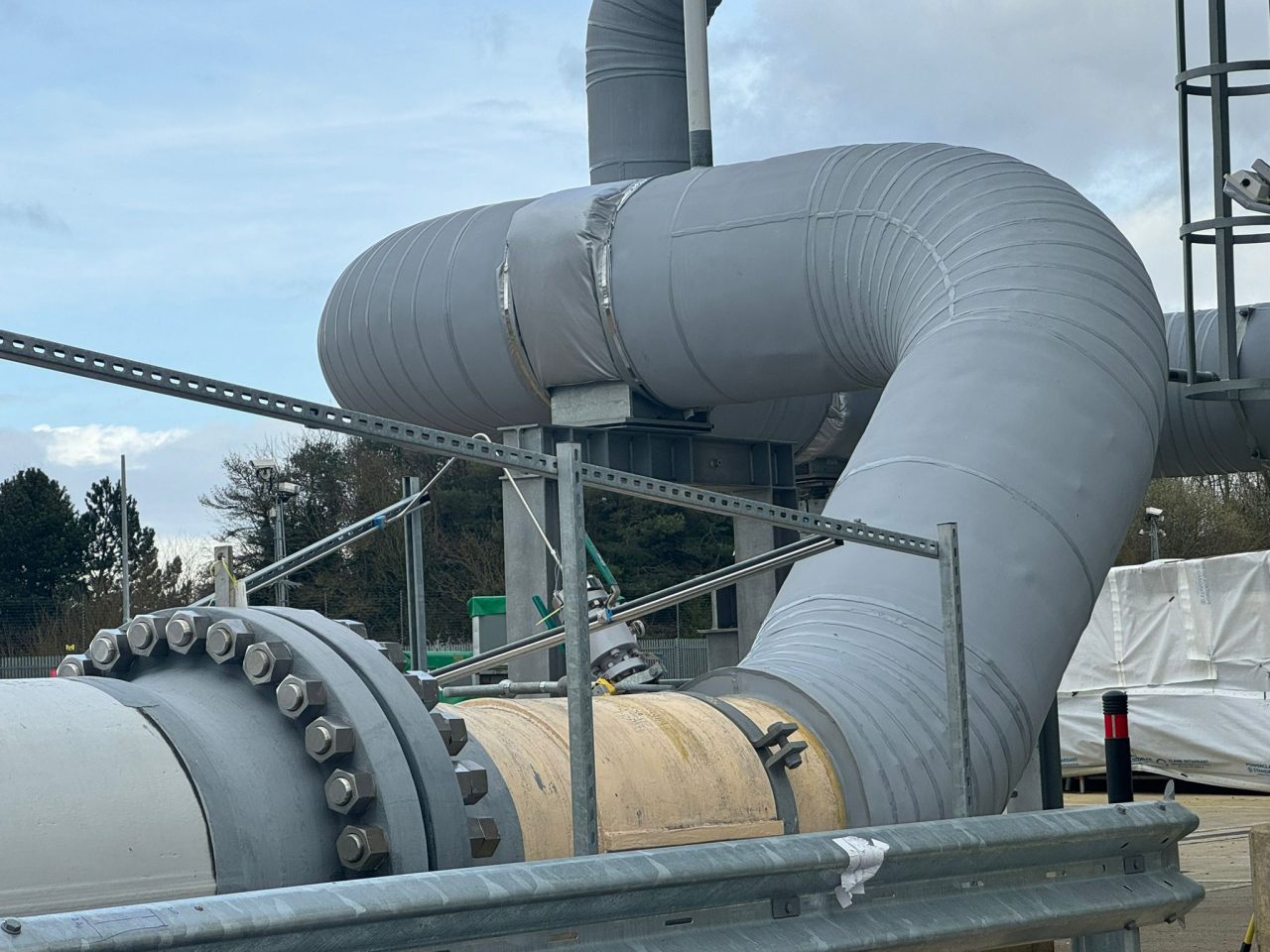
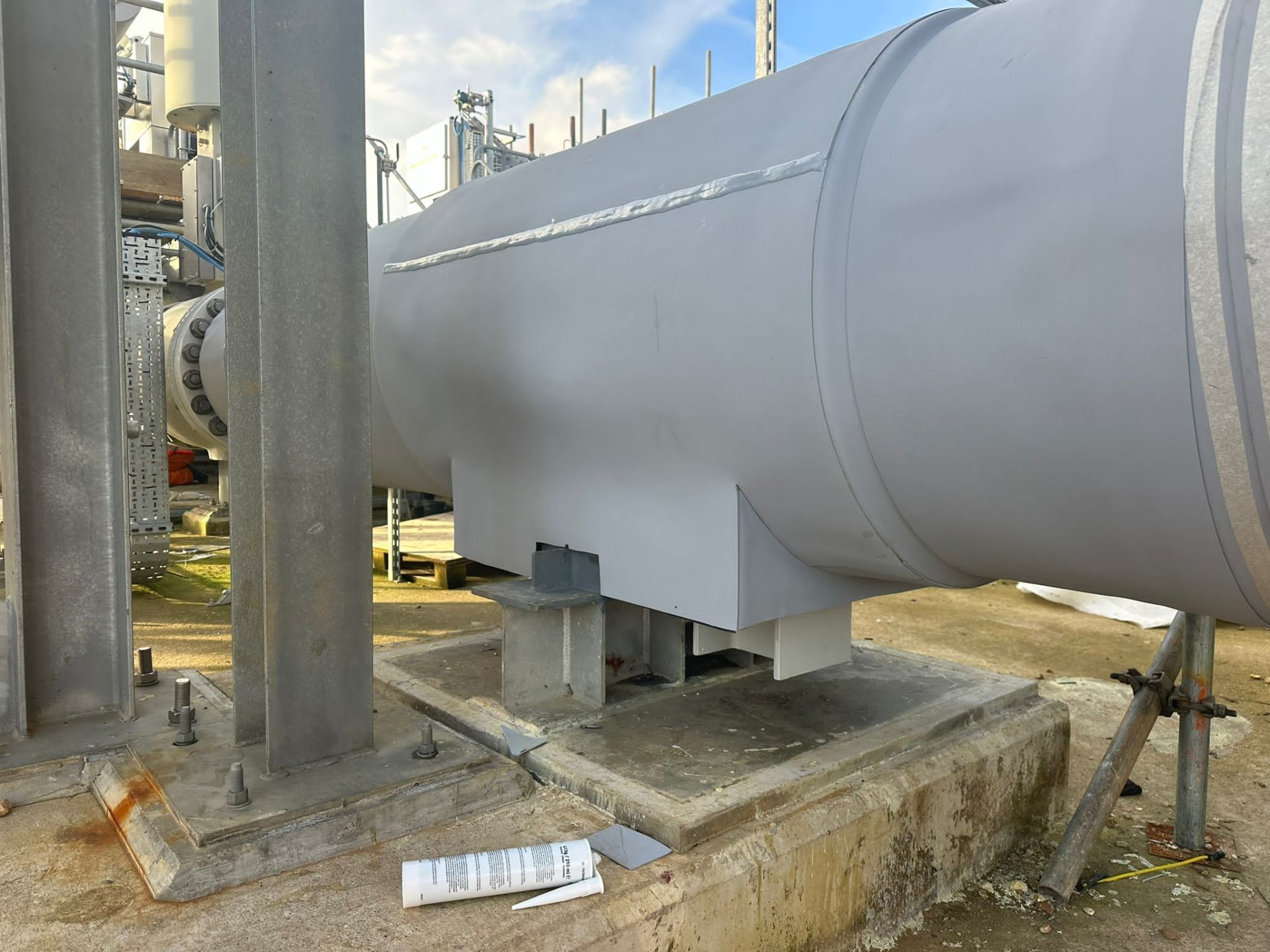
Industrial acoustic insulation reduces noise at source from pipework, vessels, and mechanical plant — protecting personnel, meeting site noise limits, and maintaining compliance with Planning conditions where applicable. Fenix installs acoustic insulation systems on industrial plant across the UK, working to the specification required and tying all installations back to the relevant BS EN standard. We install on live, operational plant and manage our own permit-to-work.
The acoustic insulation system must be matched to the noise reduction target. Fenix works from the acoustic specification — whether that is a client-defined target noise level, a Planning condition, or a noise-at-work assessment requirement — and selects the system accordingly. Where no formal acoustic specification exists, we advise on the appropriate system for the application and provide a rationale the client can use for their acoustic engineer to review.
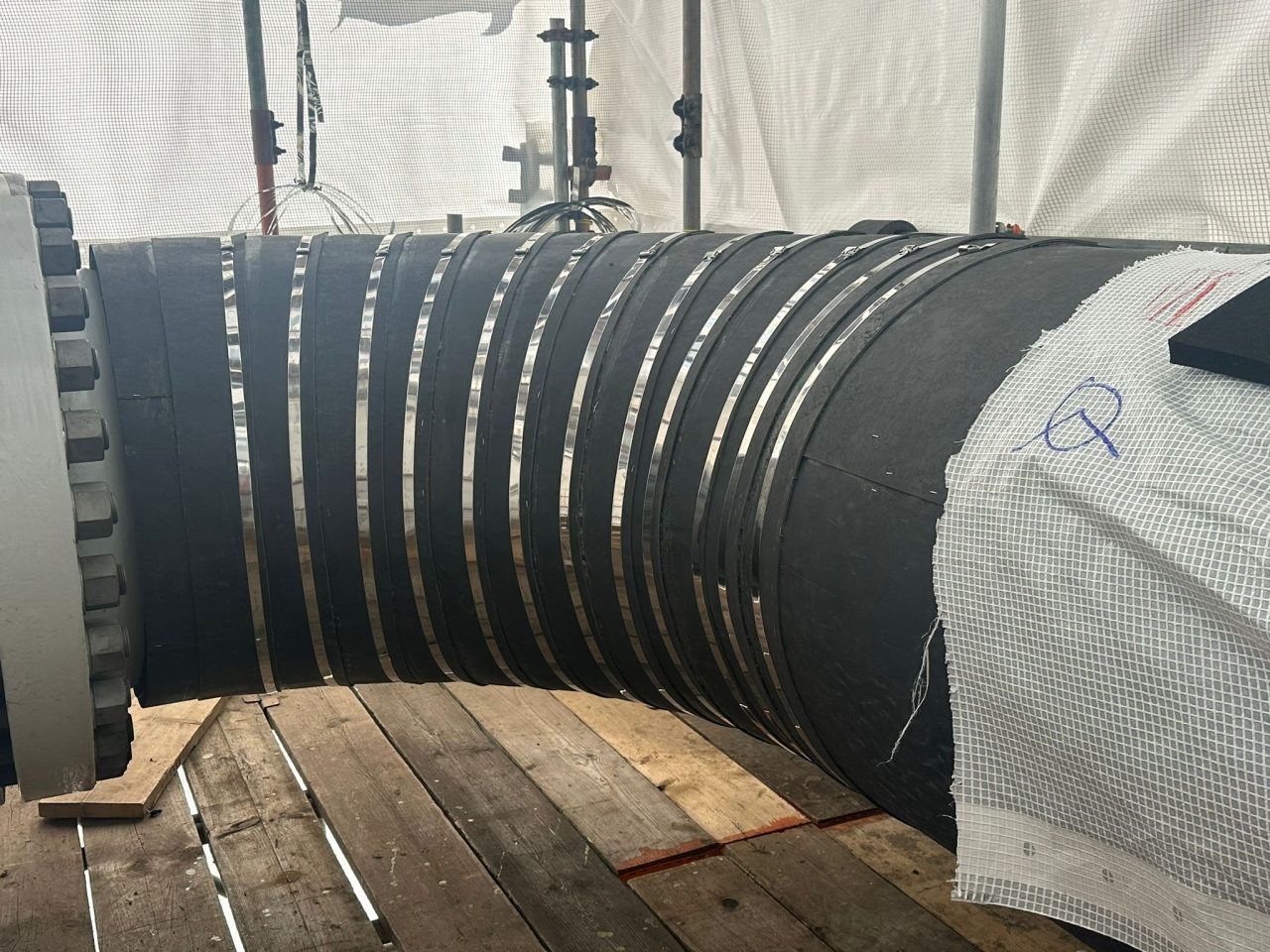
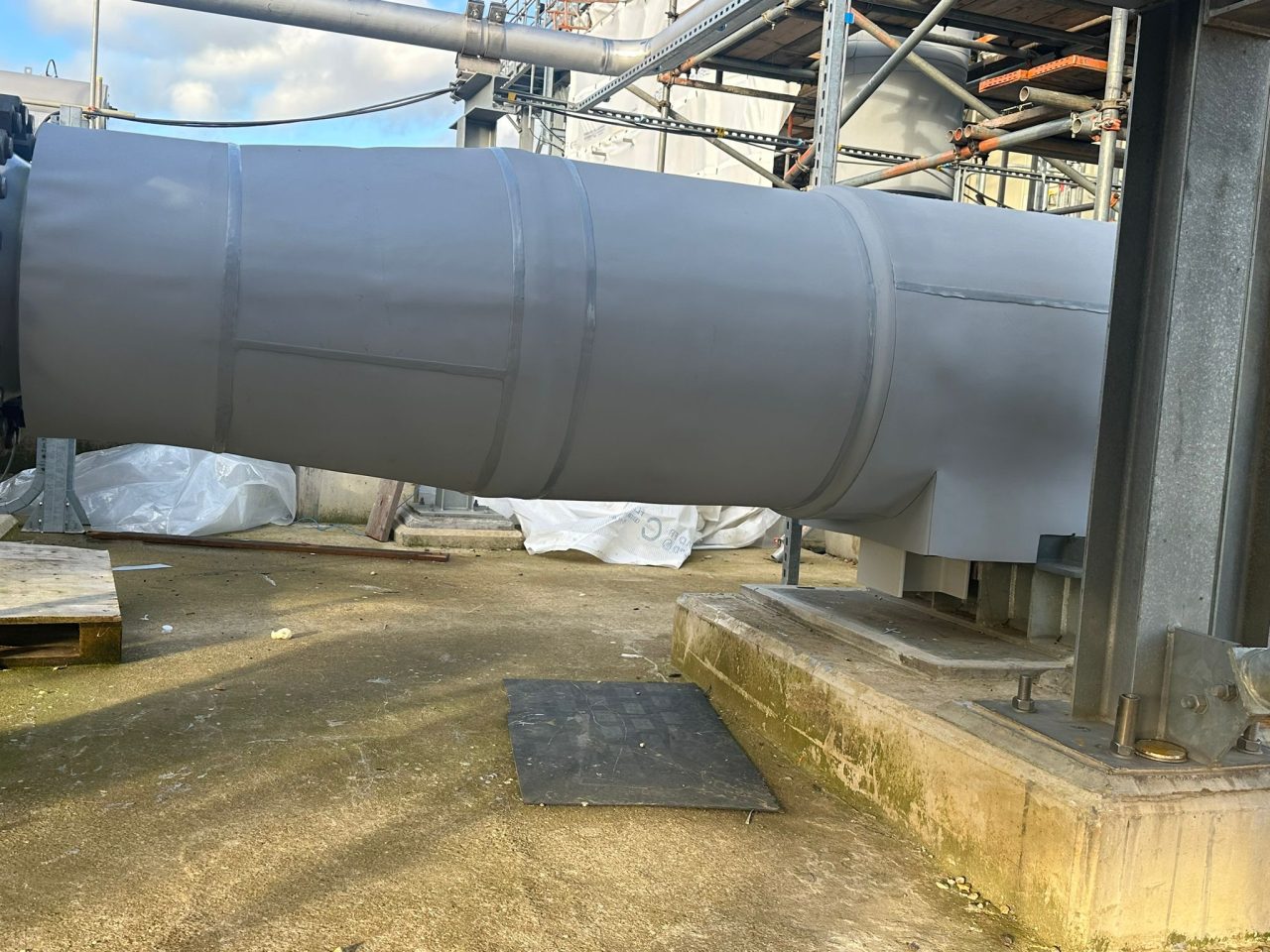
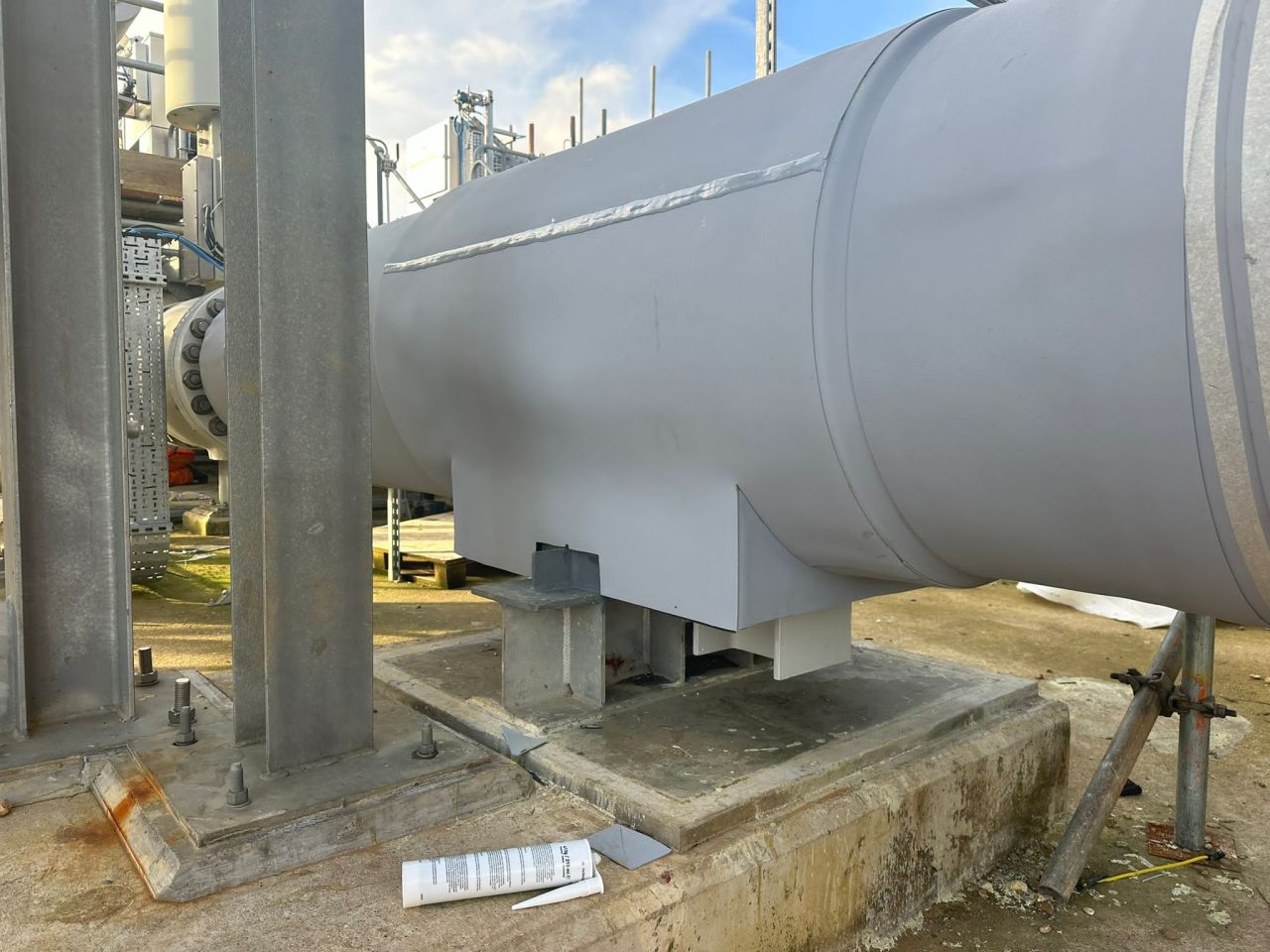
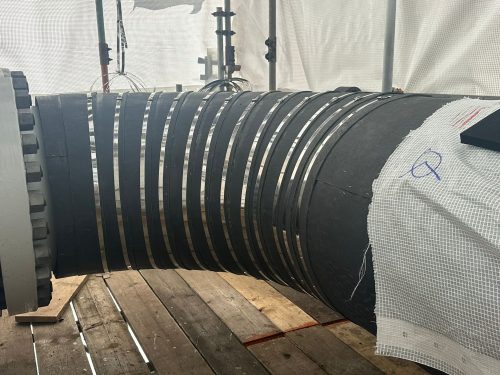
Panel geometry matters as much as material specification. Compressor casings, pipework flanges, instrumentation connections, and compound curved surfaces all require panels that are dimensioned, cut, and trial-fitted before adhesive is applied. A panel that does not sit flat against the substrate produces a void. Fenix dimensions every panel before cutting and carries out a trial fit before committing to adhesive.
We work on gas compressor stations, industrial rotating plant, process pipework, HVAC fan plant, and building services equipment where acoustic lagging is specified. We have experience working within the constraints of gas transmission and national grid infrastructure — managed shutdown programmes, live plant access restrictions, and validation requirements.
All acoustic insulation work is documented against the relevant performance standard for the application. Where an acoustic consultant has specified the system, we liaise directly with them on installation method, material traceability, and any site-specific installation controls required.
The Specification Challenge
Industrial acoustic insulation is not standard lagging. The system is specified to achieve a defined noise reduction — typically measured at a receptor point at a defined distance from the source. That performance requirement drives the system specification: material, layers, density, mass loading, and installation detail.
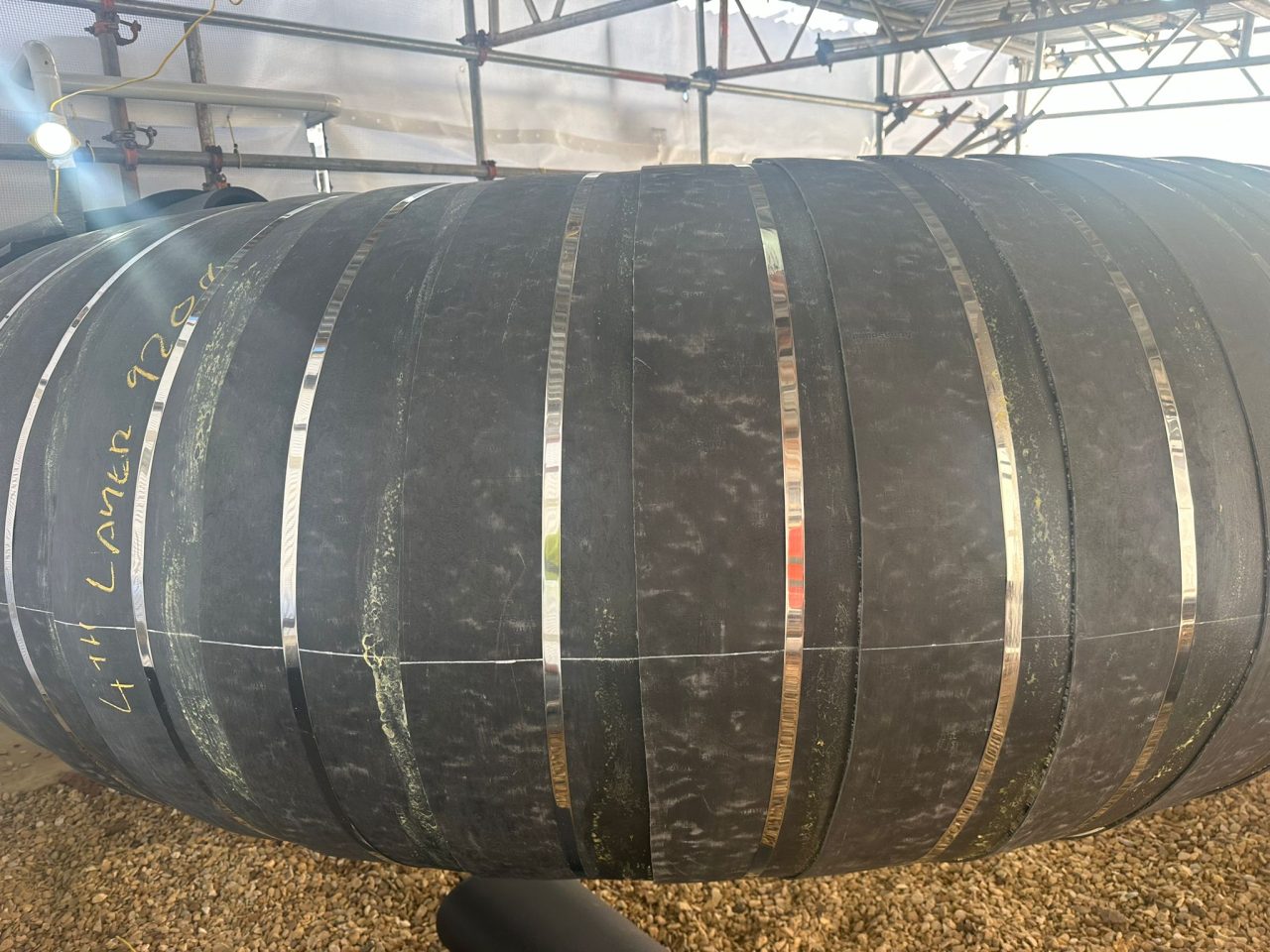
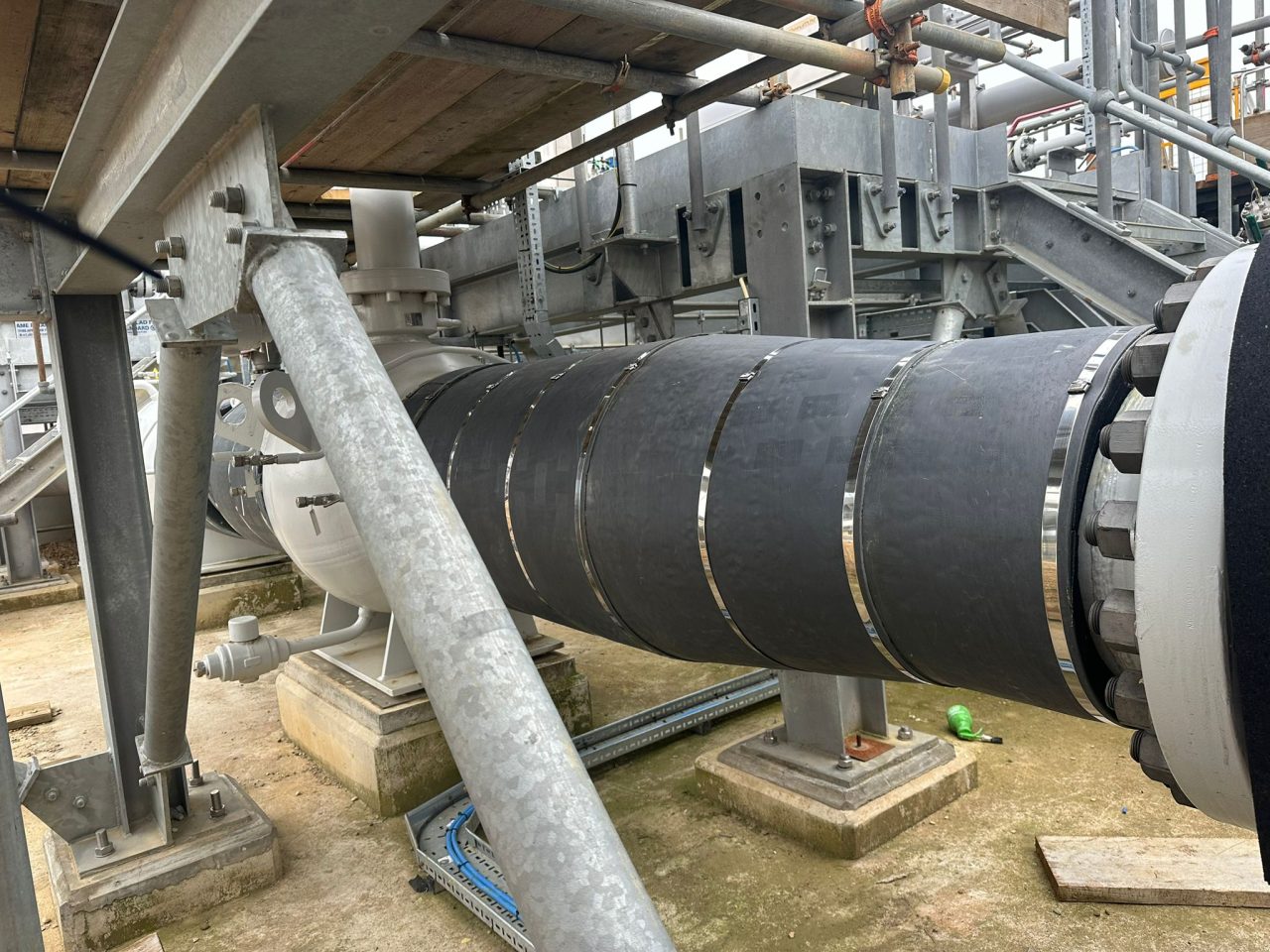
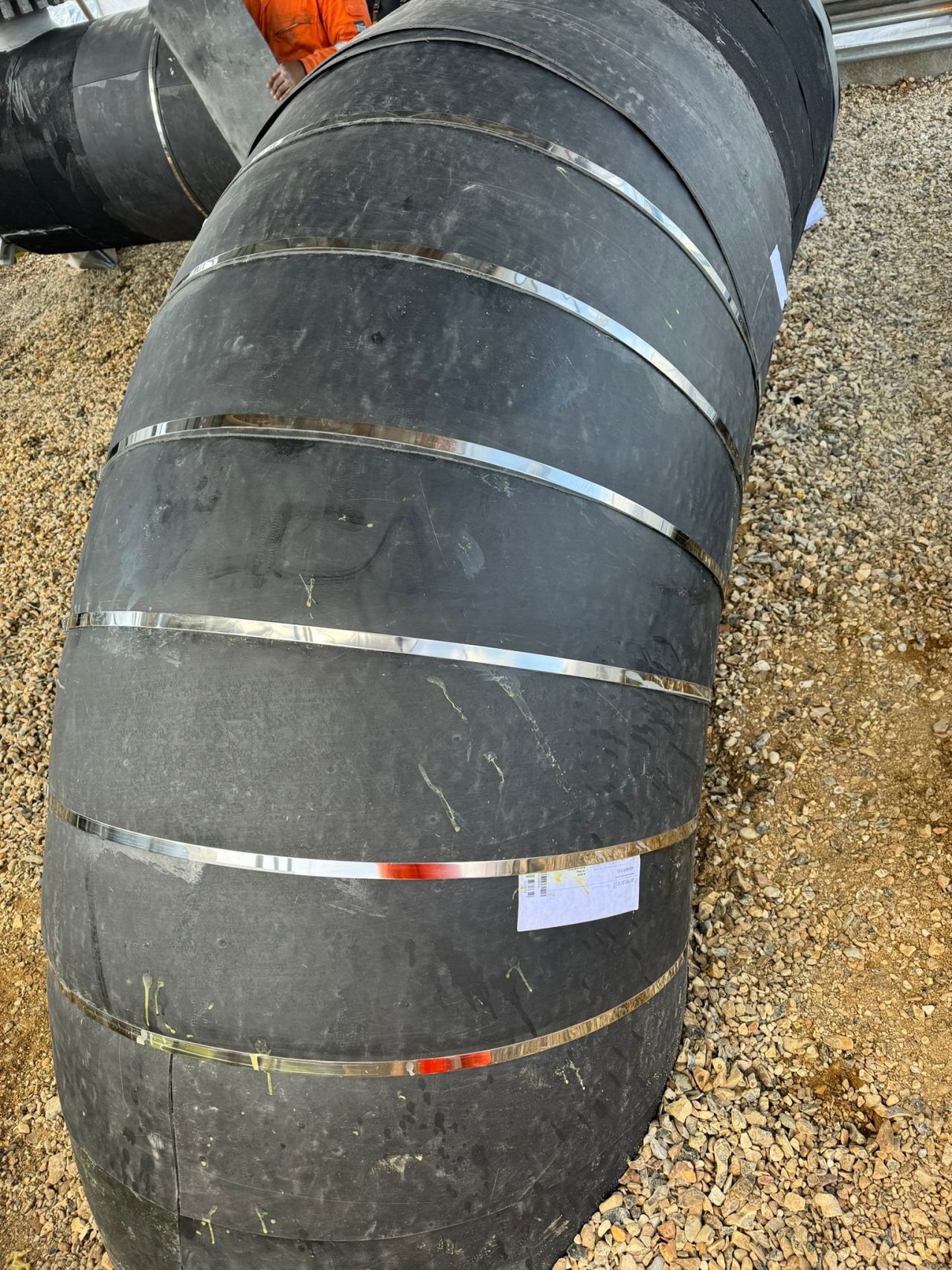
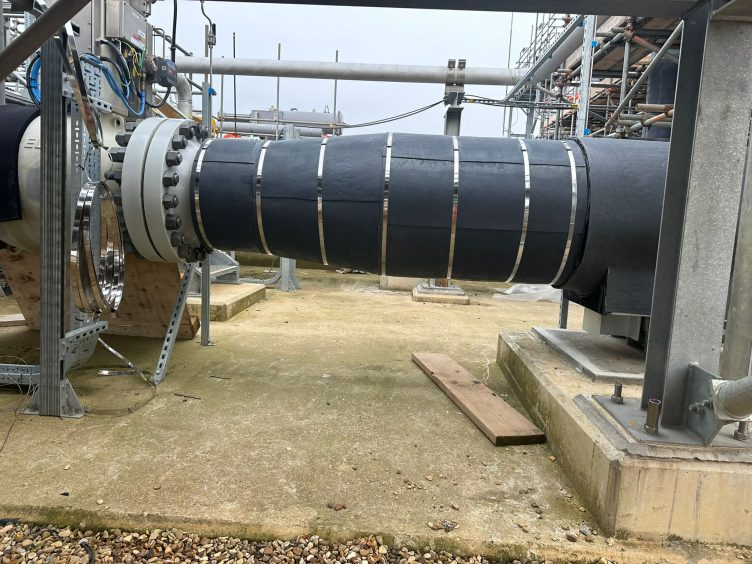
The most demanding acoustic installations use multi-layer bonded systems — typically nitrile rubber or mass-loaded vinyl — where each layer must be fully bonded to the surface beneath with no air voids. A bonded acoustic system’s performance is entirely dependent on bond quality. Voids reduce mass loading and compromise performance at exactly the frequencies the system is designed to attenuate.
Installation conditions matter. Adhesives will not bond correctly to steel at or below the dew point. Fenix monitors conditions and works only within defined temperature and humidity parameters — with a clear no-go protocol that is enforced regardless of programme pressure.
What We Install
- Multi-layer bonded nitrile rubber acoustic systems
- Mass-loaded vinyl (MLV) lagging systems
- Acoustic mineral wool with mass-loaded facing
- Composite thermal and acoustic systems
- Acoustic enclosure linings
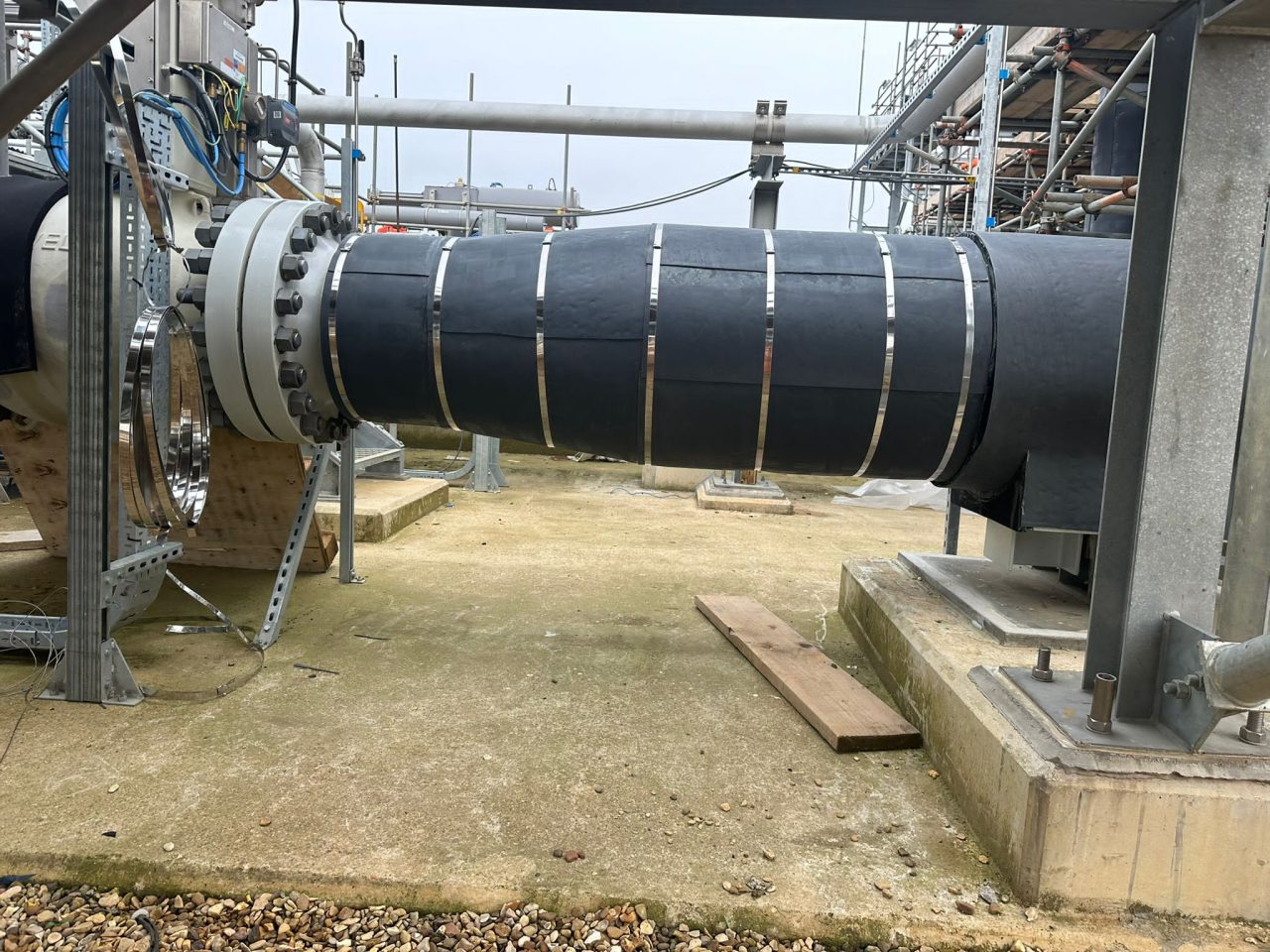
- Pipework, valve, and flanged joint acoustic treatment
- Compressor, pump, and rotating plant acoustic lagging
FAQs
What is industrial acoustic insulation?
Industrial acoustic insulation is a purpose-specified system applied to pipework, vessels, mechanical plant, or enclosures to reduce noise transmission — either to protect personnel operating nearby, meet site noise limits imposed by Planning conditions, or comply with the Noise at Work Regulations. It differs from thermal lagging in that the system must achieve a defined acoustic performance, which drives material selection, system construction, and installation method.
What acoustic insulation systems does Fenix install?
We install bonded multi-layer nitrile rubber systems for the most demanding acoustic specifications, mass-loaded vinyl (MLV) lagging systems, mineral wool acoustic lagging with mass-loaded facing for mid-range requirements, and composite systems that provide both thermal and acoustic performance. System selection is based on the noise reduction target, frequency spectrum, operating temperature, and access requirements.
Why does installation method matter for acoustic insulation?
A bonded acoustic insulation system works by adding mass directly to the vibrating surface. If there are air voids between layers — caused by imperfect bonding or panels that do not conform to the substrate — the mass loading is incomplete and acoustic performance is compromised. The performance of a bonded system cannot be independently measured without destructive testing; it is entirely dependent on installation quality. This is why Fenix enforces a no-go protocol for dew point conditions and a panel dimensioning procedure before every installation.
Can Fenix install acoustic insulation on live plant?
Yes. We are experienced in installing acoustic insulation on live, operational industrial plant. This requires managing permit-to-work, implementing hot work controls where adhesive application is involved, and coordinating with site operations teams to plan access around running plant. Fenix manages all of this in-house — risk assessments, method statements, and site-specific inductions are produced and managed by us.
What standards apply to industrial acoustic insulation?
Acoustic insulation design and installation references BS EN ISO 15665 (acoustic insulation for pipes, valves, and flanges in industrial installations), which defines the performance classes for acoustic pipe lagging systems. Material specifications are tied back to the relevant product standards. Where a specific performance target has been set by an acoustic consultant, we document the installed system against that target and provide material traceability certification.
Proven in the field
Seven layers, 0mm tolerance, live gas transmission
On National Gas Transmission compressor stations across the North of England, Fenix installed a seven-layer nitrile acoustic system at 0mm tolerance on live, operational infrastructure. The work was validated through Ofgem. Fenix was subsequently appointed Principal Contractor on site.
Read the NGT case studyGallery
Noise stopped at the source