Trace Heating Installation
Process heat held, frost kept out
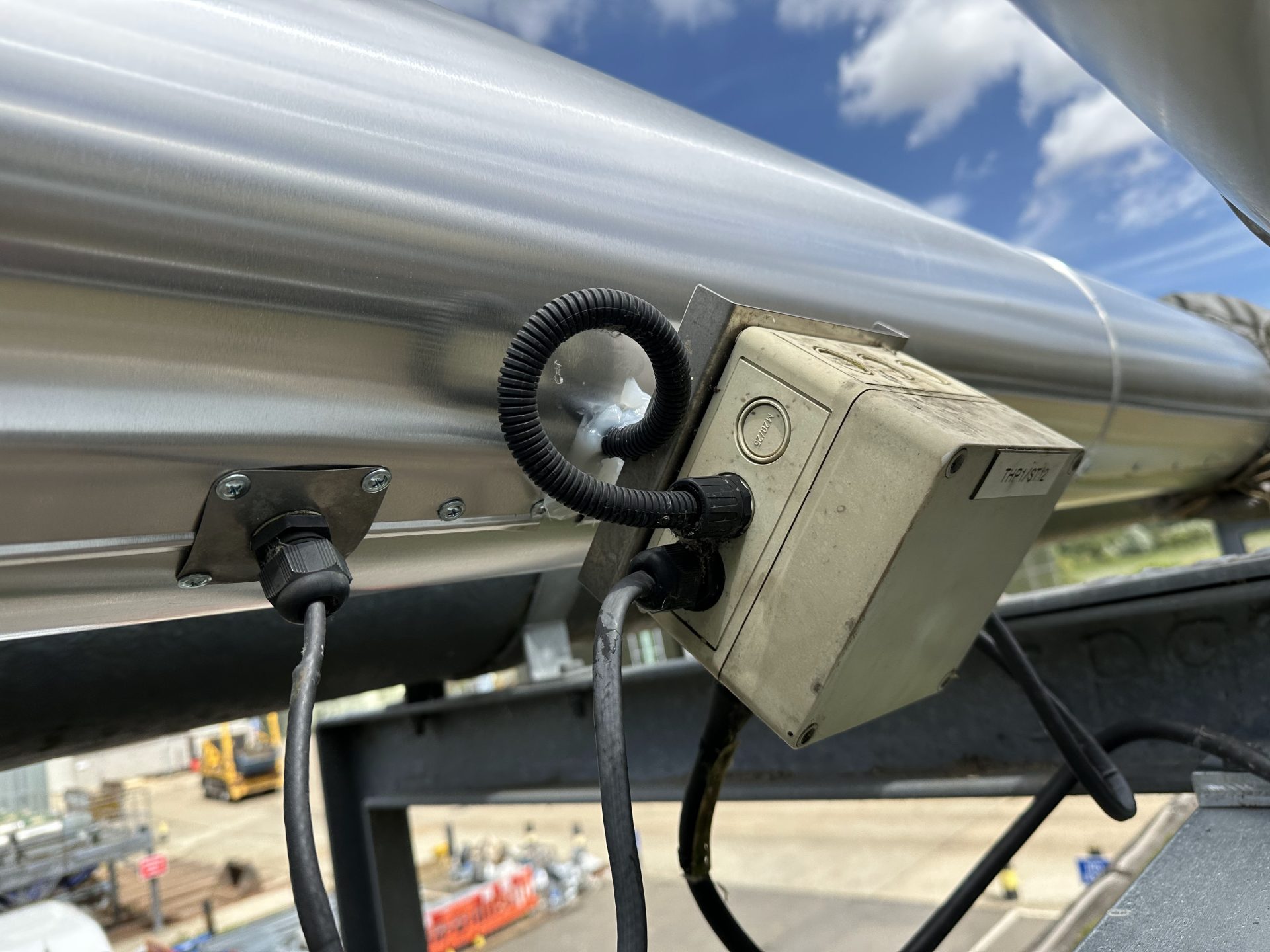
Trace Heating Installation
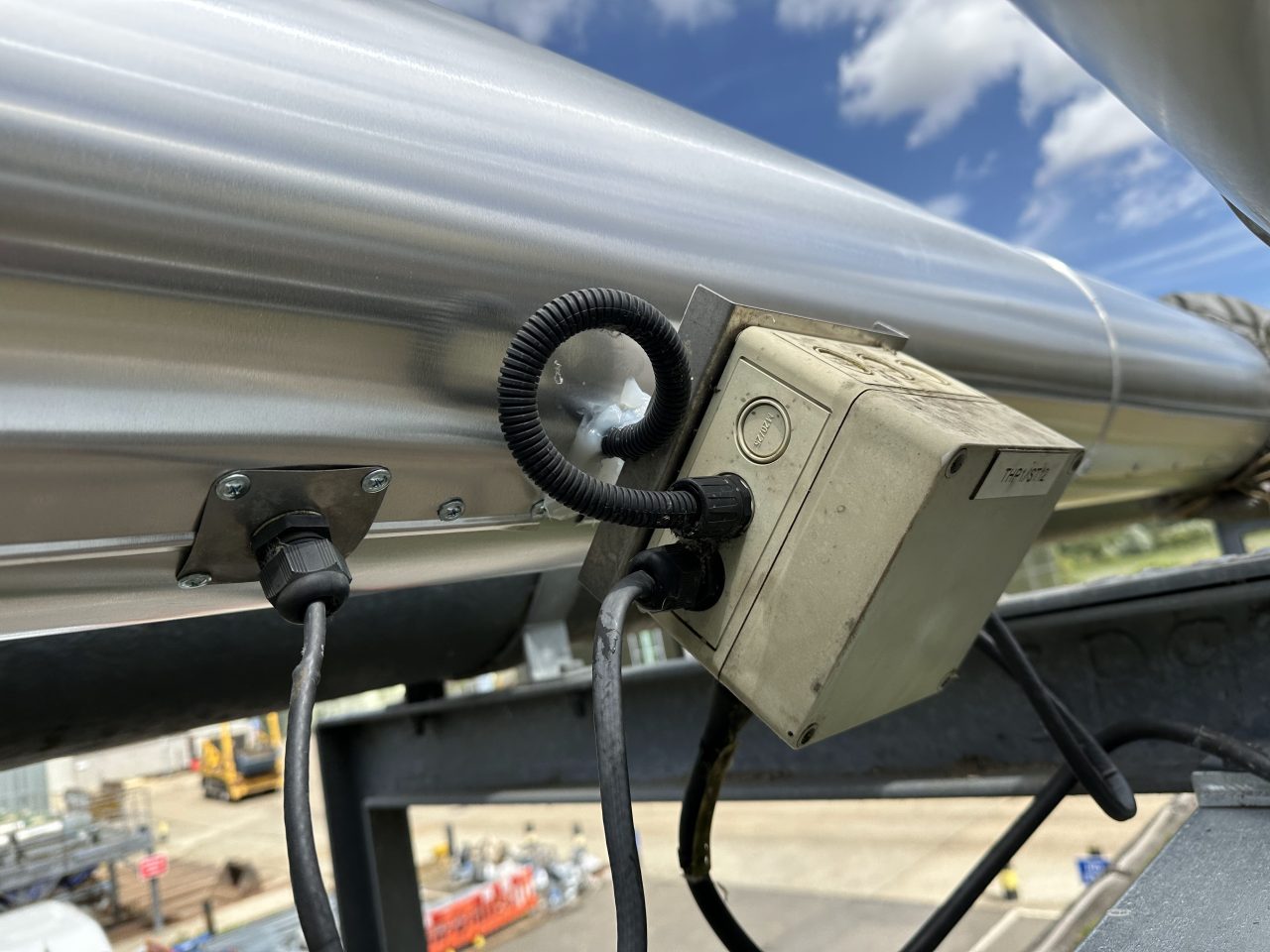
Fenix installs electric trace heating systems for frost protection and process temperature maintenance on industrial pipework, vessels, and equipment. We manage the full installation — from system design and specification, through cable laying, insulation over the trace, and metal cladding — with final electrical connections carried out by our appointed specialist electrical sub-contractors. All trace heating work is tied back to the relevant BS EN standard and documented for handover.
A trace heating installation is a combined mechanical and electrical package. Fenix manages the mechanical scope — cable selection, layout, fixing, insulation over the trace, and weatherproof cladding — with final electrical terminations and connections carried out by specialist electrical sub-contractors we appoint and manage. The result is a single-point responsibility for the complete installed system.
System sizing starts with the heat loss calculation. The wattage per metre of trace cable must exceed the heat loss per metre of pipework or vessel at the design ambient temperature, with an appropriate safety margin. Under-specified systems fail at the design condition. Fenix carries out the calculation and documents it as part of the installation package.
For industrial process applications — where temperature maintenance is critical to flow or process requirements rather than simply frost protection — we specify accordingly. A process line holding a product above its pour point has a very different trace heating requirement to a fire deluge frost protection system. Both are standard Fenix work.
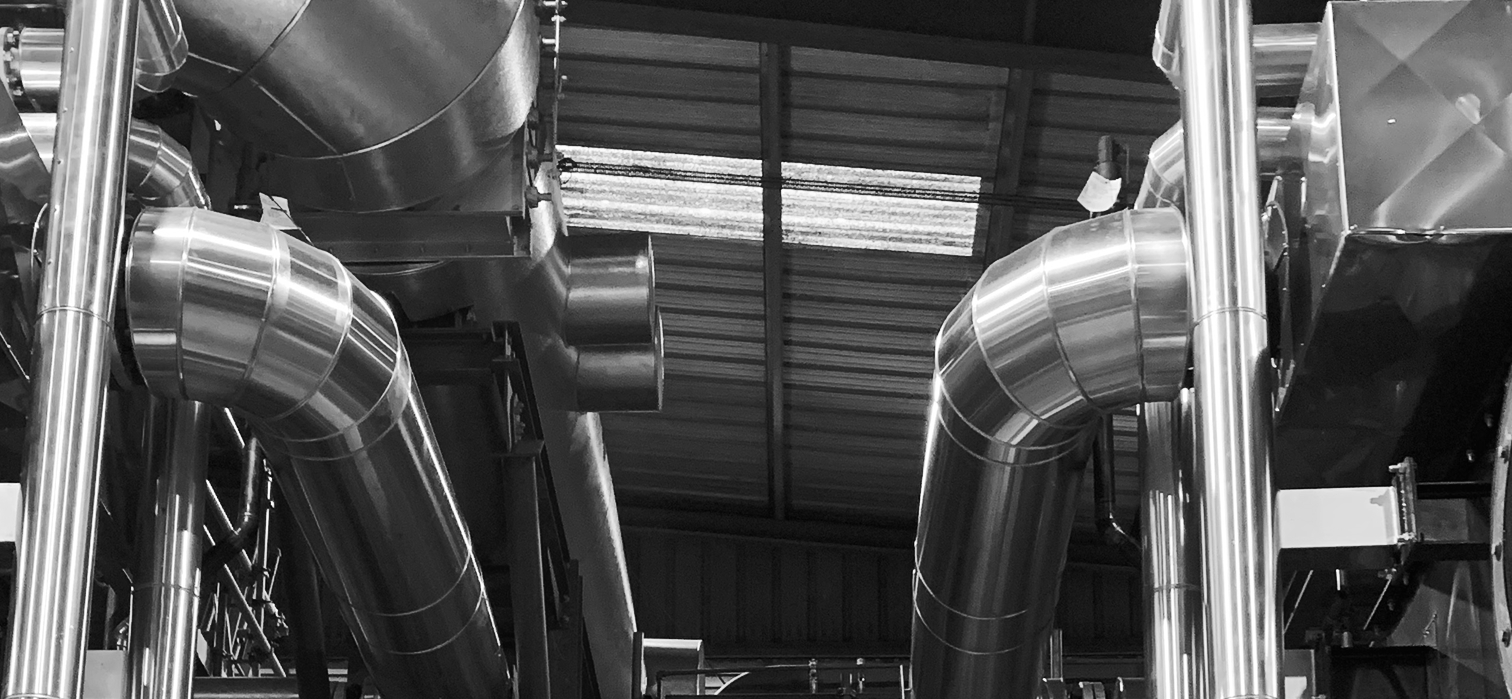
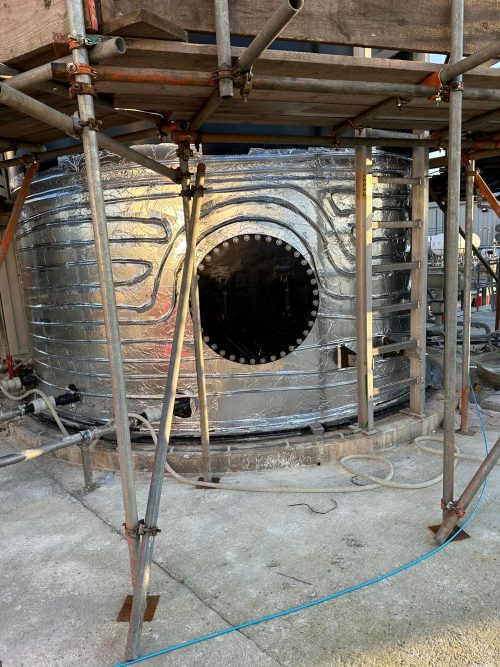
On completion, Fenix provides a trace heating installation record including the system layout, cable type and specification, design ambient temperature, measured insulation resistance, and handover documentation for the electrical sub-contractor test certificate. All systems are insulated over the trace cable and clad in weatherproof metal sheeting where exposed to the elements.
The Application
Trace heating is used where pipework or equipment must be maintained above a minimum temperature — either to prevent freezing in frost conditions or to hold a process fluid at a specific temperature required for viscosity, flow, or reaction requirements.
The consequences of a failed trace heating system range from a frozen water line to a blocked process pipe to a full plant shutdown. Specification and installation quality matter — underpowered or incorrectly installed systems fail under exactly the conditions they are needed most.
Fenix specifies trace heating systems against the actual heat loss of the pipework or vessel being protected, the minimum ambient temperature for the site, and the target pipe temperature to be maintained. We document the specification and tie it back to BS EN 62395 and related standards.
What We Install
- Self-regulating trace heating cable
- Constant wattage systems for process temperature maintenance
- Mineral insulated trace heating for high-temperature applications
- Frost protection on water, drain, and instrument lines
- Process temperature maintenance on viscous or reactive fluids
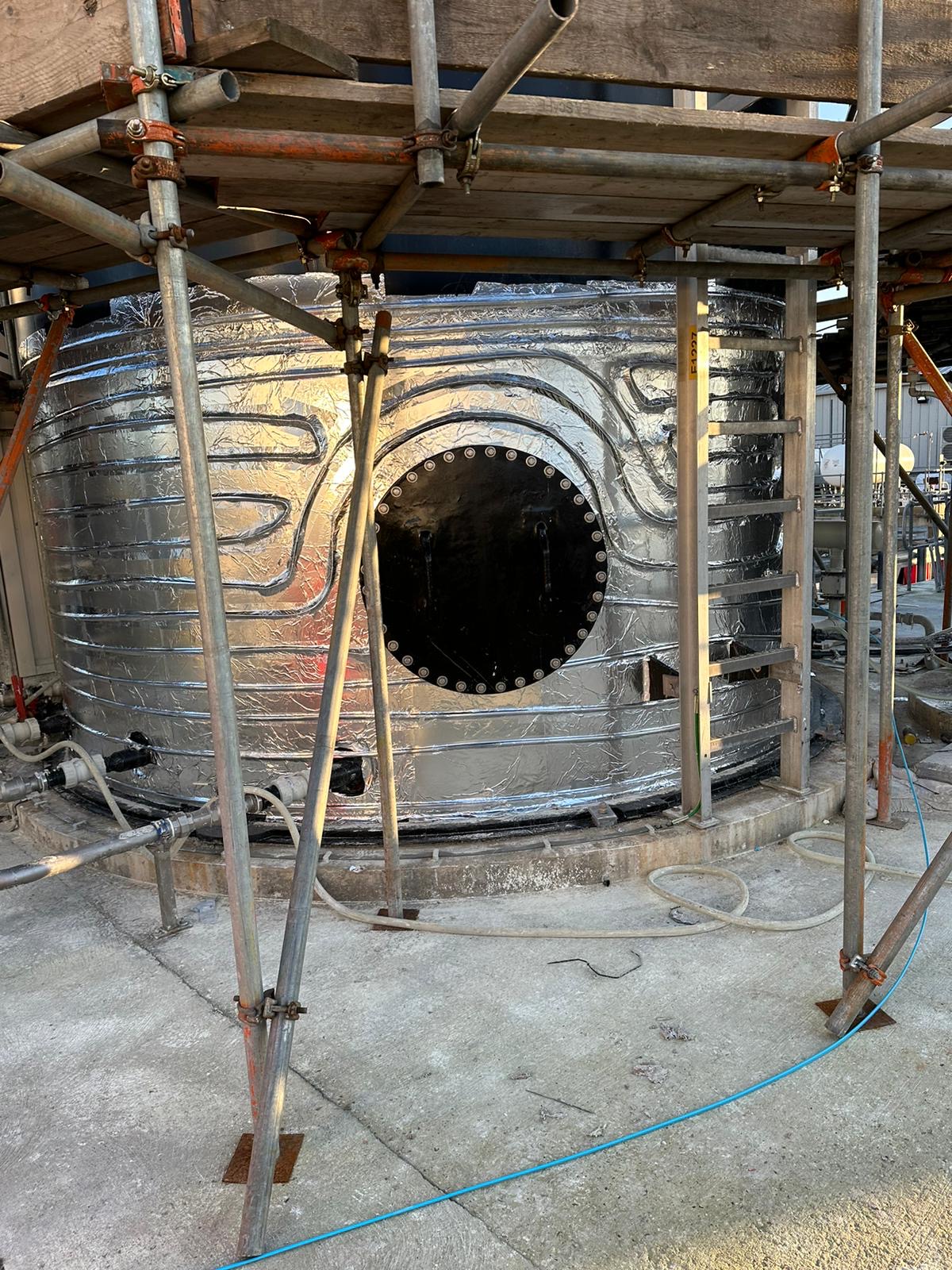
- Trace heating systems on tanks and vessels
- Insulation and cladding over installed trace
FAQs
What is trace heating and when is it needed?
Electric trace heating is a low-power resistance heating system applied to pipework, vessels, or equipment to maintain the surface temperature above a defined minimum. The most common applications are frost protection — preventing freezing on water, drain, or fire protection systems — and process temperature maintenance, where a fluid must be kept above its minimum temperature for viscosity, flow, or reaction requirements.
Does Fenix carry out the electrical connections?
The electrical installation work — final connections, terminations, and test certification — is carried out by our appointed specialist electrical sub-contractors. Fenix manages the complete project: system design, cable selection and installation, insulation and cladding, and coordination of the electrical sub-contractor. You deal with one point of contact for the full installed system.
What standards does Fenix work to for trace heating?
Trace heating design and installation is carried out in accordance with BS EN 62395 (electrical resistance trace heating for industrial and commercial applications) and the IEE Wiring Regulations where applicable. The system is sized against a heat loss calculation for the specific pipework or equipment, and all documentation — including the design basis, cable specification, and test results — is provided at handover.
Can trace heating be installed on existing pipework without taking the line out of service?
In most cases, yes. Self-regulating trace heating cable can be installed on pipework in service, subject to permit-to-work requirements and operational constraints at the site. Where the line must be taken out of service for installation, we coordinate with the client operations team to plan the window. Hot work and electrical isolation controls are managed in-house.
What trace heating systems do you install?
Fenix installs self-regulating trace heating cable for the majority of frost protection and general process maintenance applications — the self-regulating element adjusts output as ambient temperature changes, reducing overheating risk. For applications requiring a fixed wattage output or higher operating temperatures, we specify and install constant wattage and mineral insulated systems accordingly.
Gallery
Process heat held, frost kept out