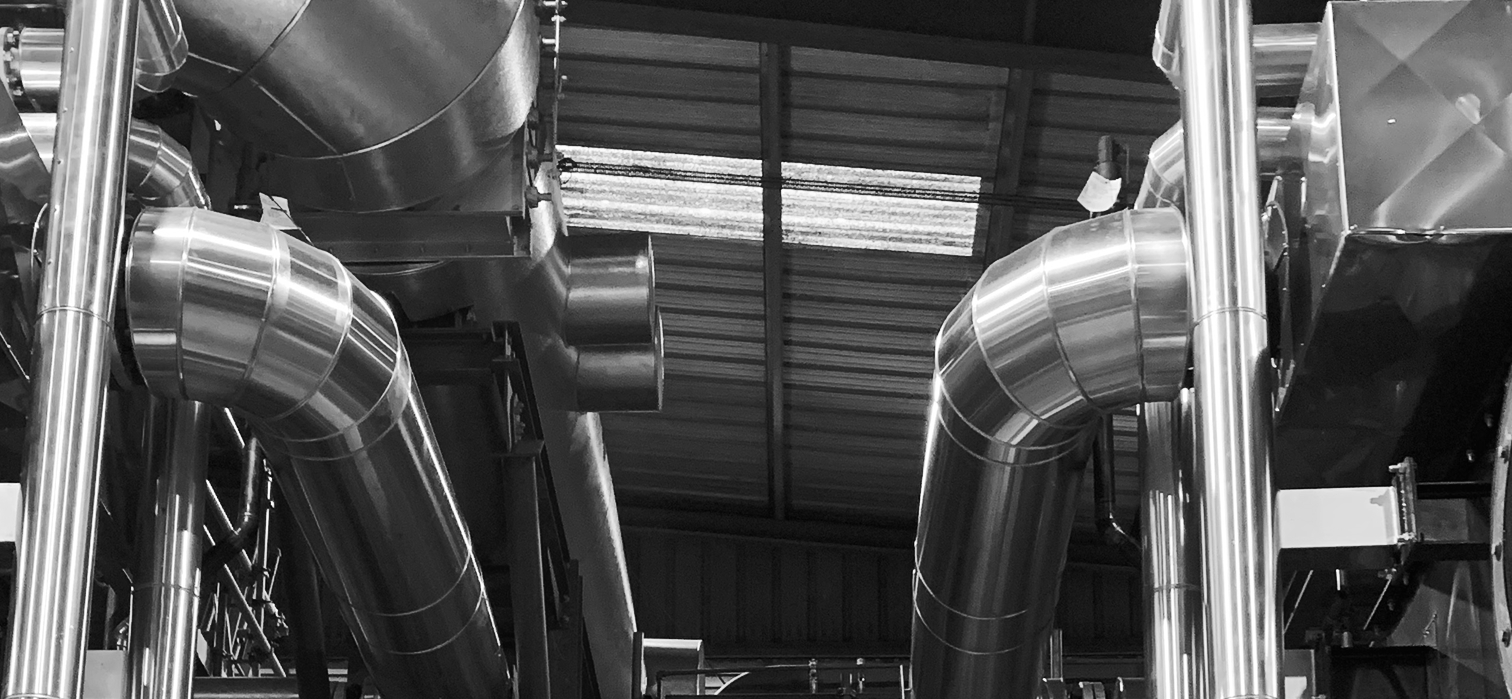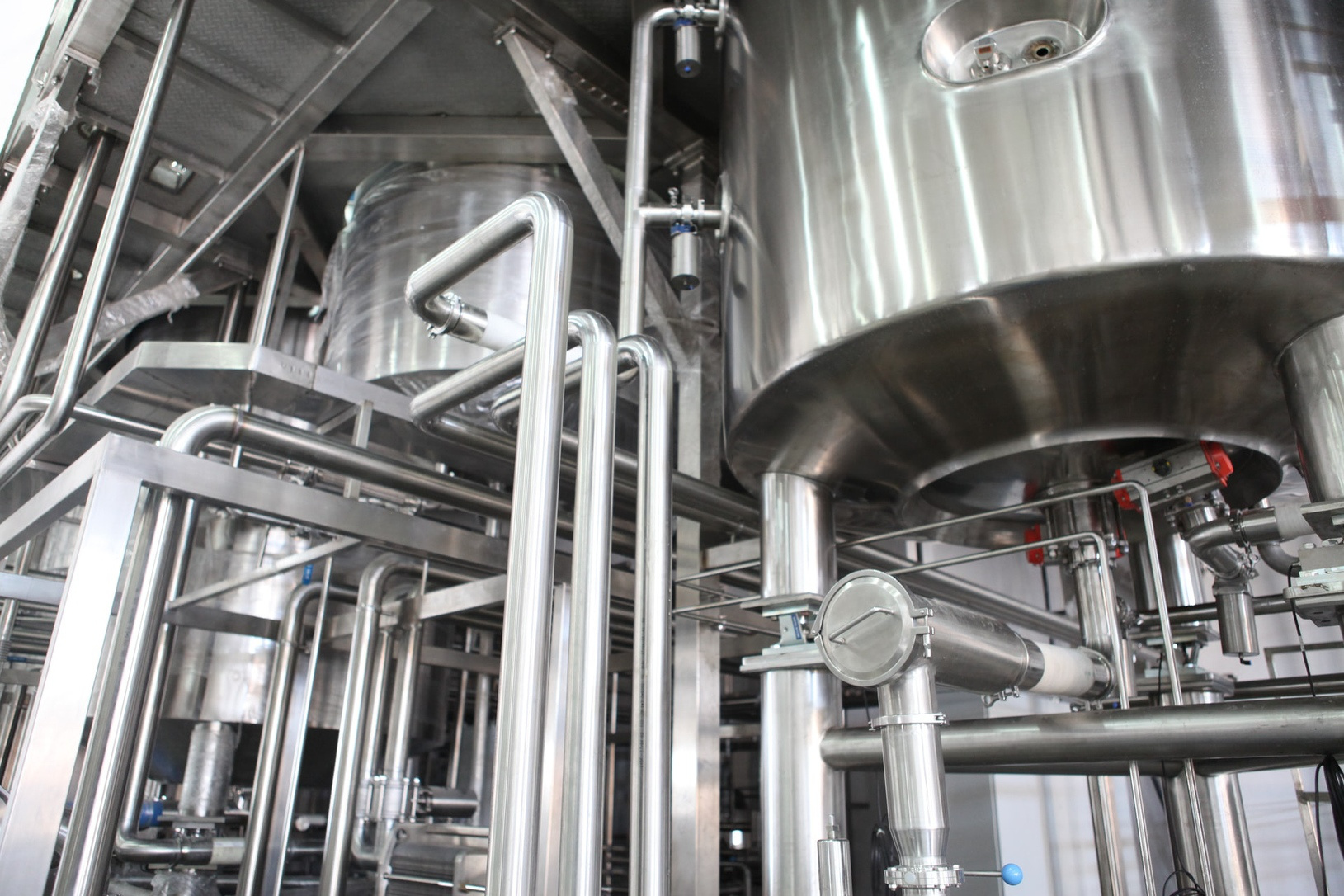
Manufacturing and Process Plant Insulation
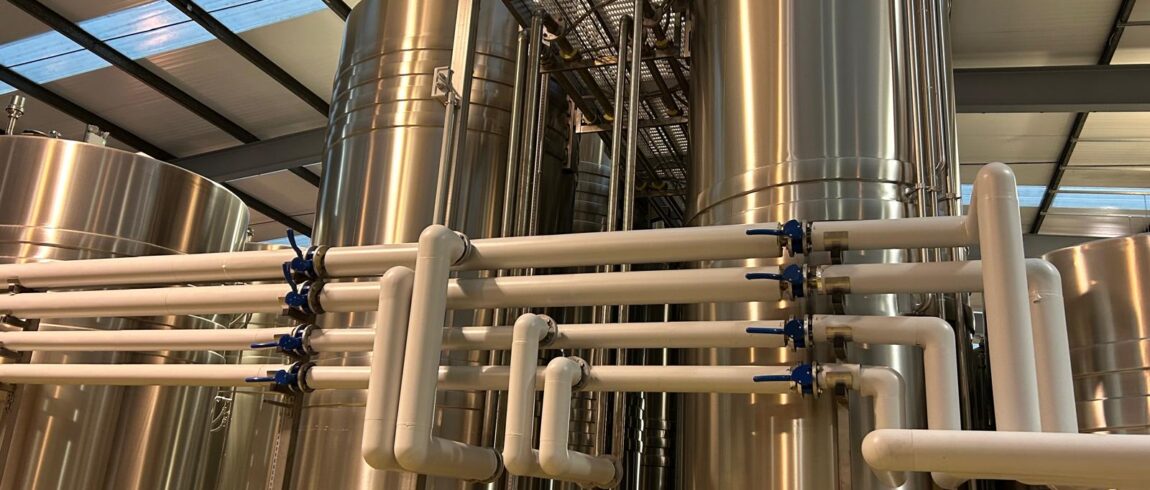
Manufacturing and Process Plant Insulation
Fenix delivers insulation packages to UK manufacturing, pharmaceutical, food and beverage, and paper and process industries. From temperature-controlled pipework to energy efficiency upgrades on operational plant, we work to specification, to programme, and within the strict compliance requirements of process-led environments.
Why Choose Fenix in Manufacturing and Process?
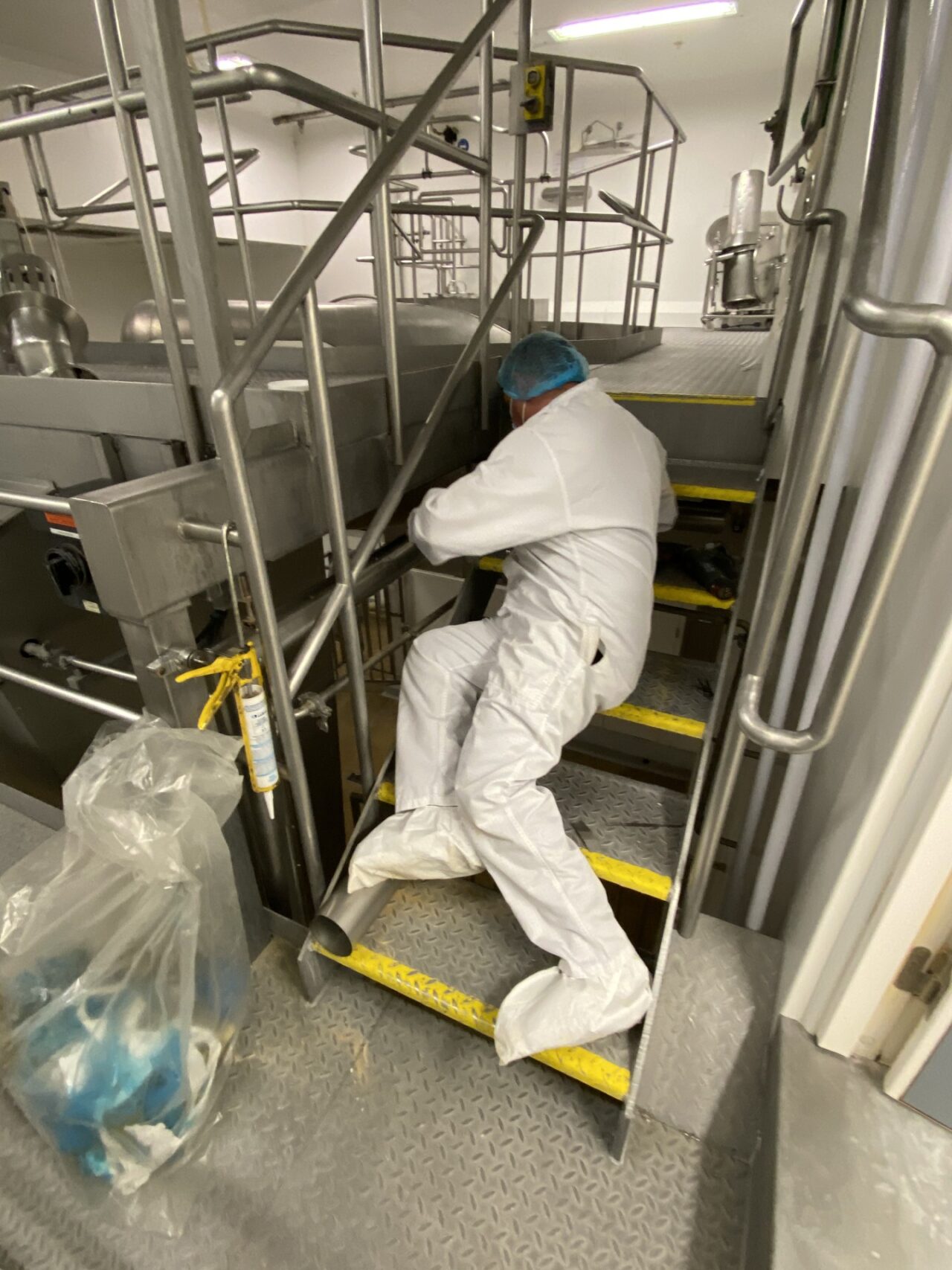
Process environments carry unique demands — clean area protocols, GMP compliance, food-safe working practices, tight programme windows and the need to maintain production continuity. We understand these constraints and build them into our risk assessments and site management.
Services delivered across this sector:
- Thermal insulation to BS 5422 and BS EN ISO 12241
- Energy efficiency surveys to BS EN 17956 energy Class C
- Acoustic insulation for noise control
- Trace heating for process temperature maintenance
- Foam injection insulation for void fill and restricted-access pipework
- Sheet metal cladding and fabrication
Where We Have Worked
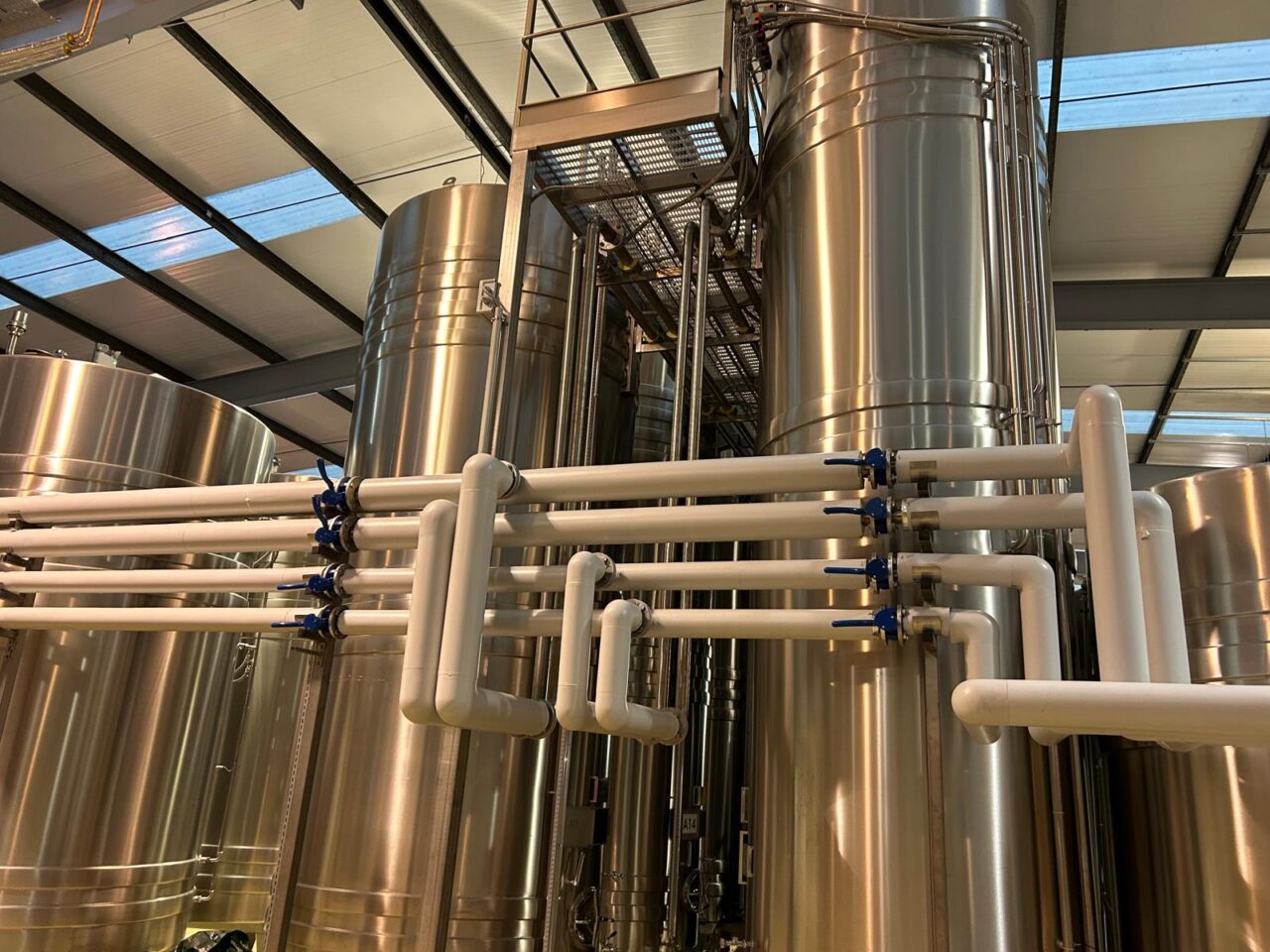
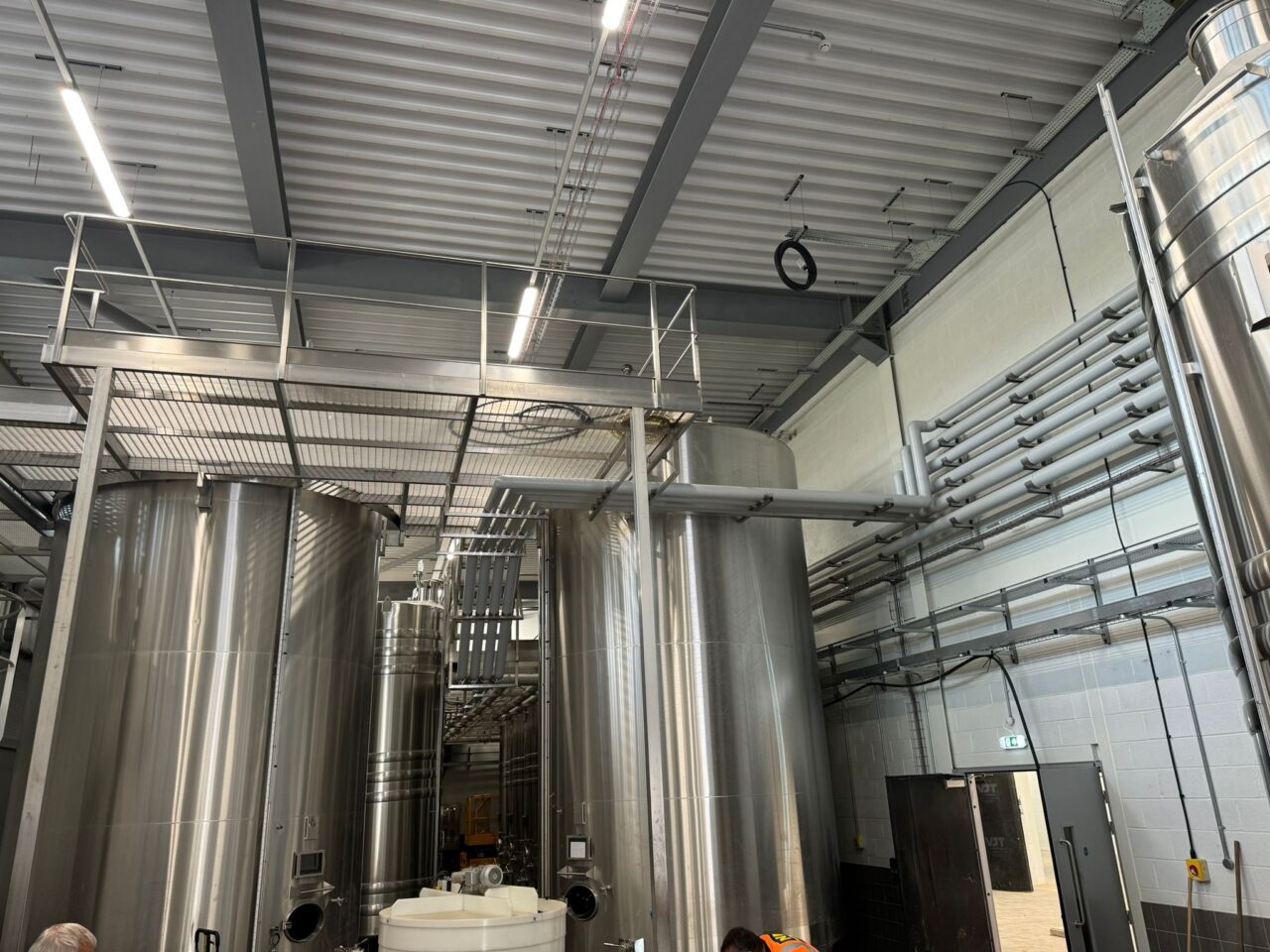
We have delivered insulation packages across food and beverage, pharmaceutical and paper and process plants including Chapel Down Winery (Tenterden), Recipharm, Pfizer (Sandwich), Kemsley Paper Mill and Vagabond Wines (Canada Water).
See our case study: Energy-from-Waste insulation upgrade, Kent
Energy Efficiency Surveys
We survey process pipework and plant equipment, identify uninsulated and deteriorated systems, and produce heat loss calculations to BS EN 17956. Reports include a prioritised works schedule with payback analysis — most clients see their survey cost returned within nine months on identified systems.
Thermal Insulation
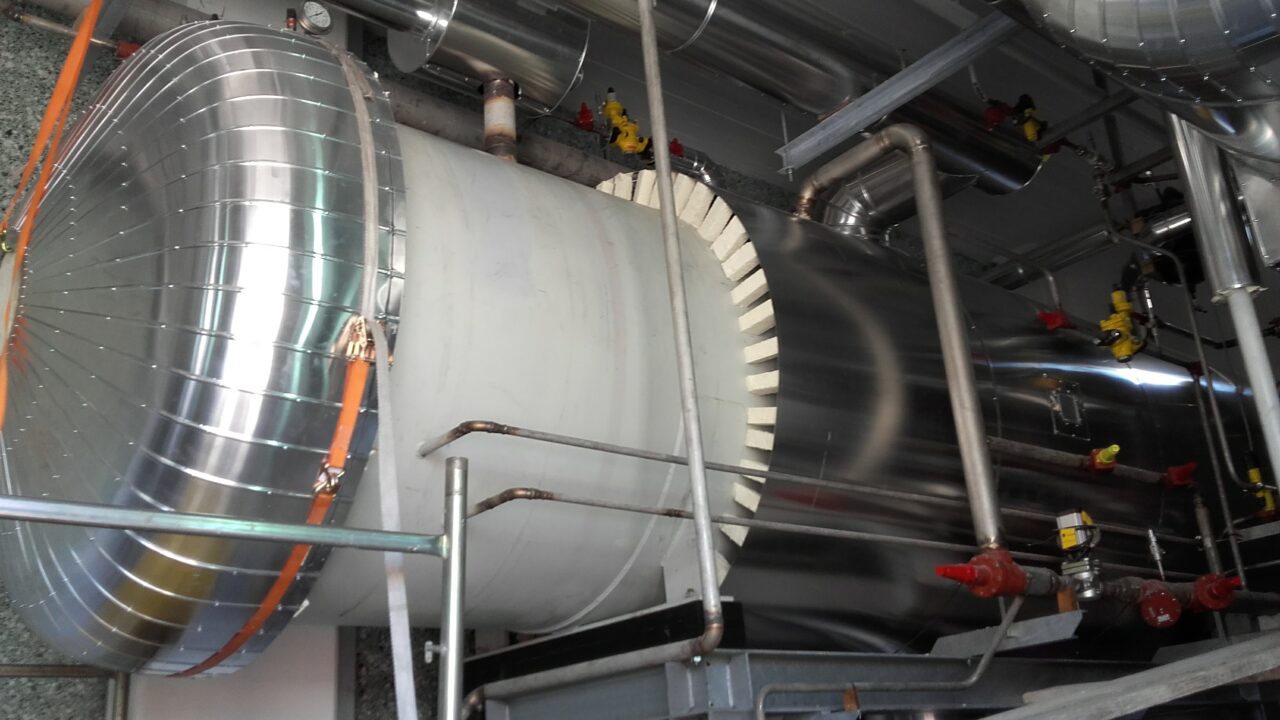
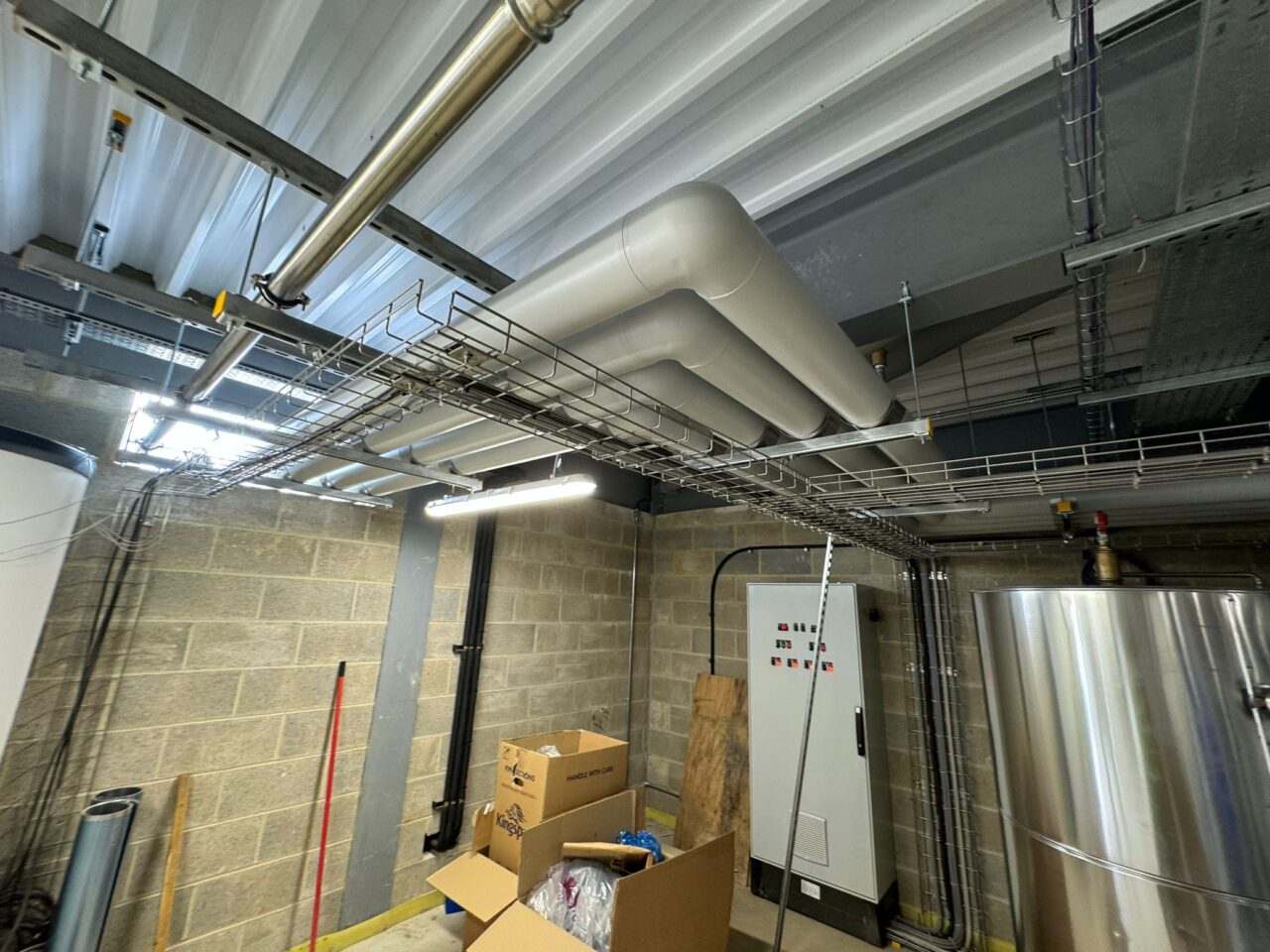
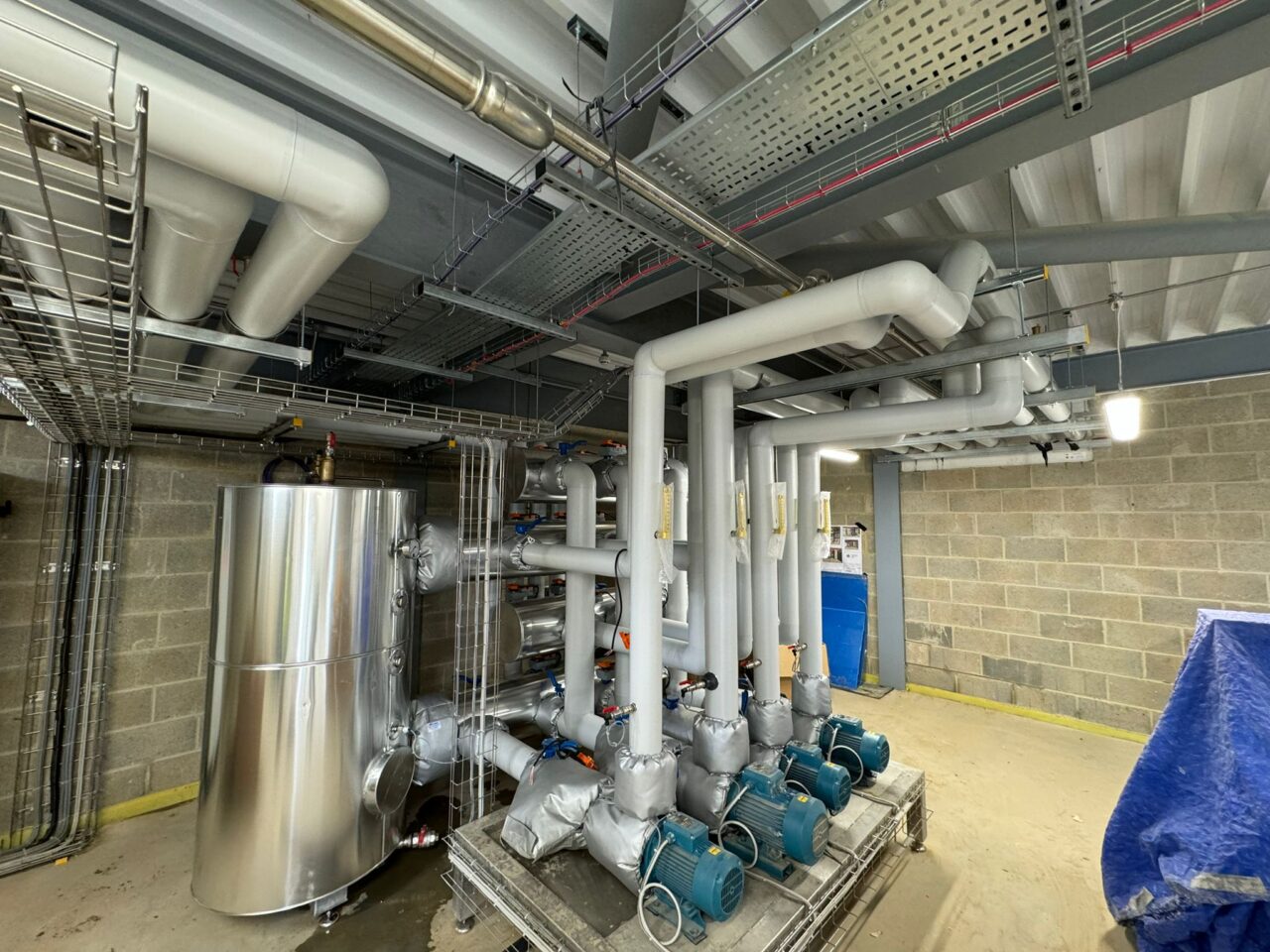
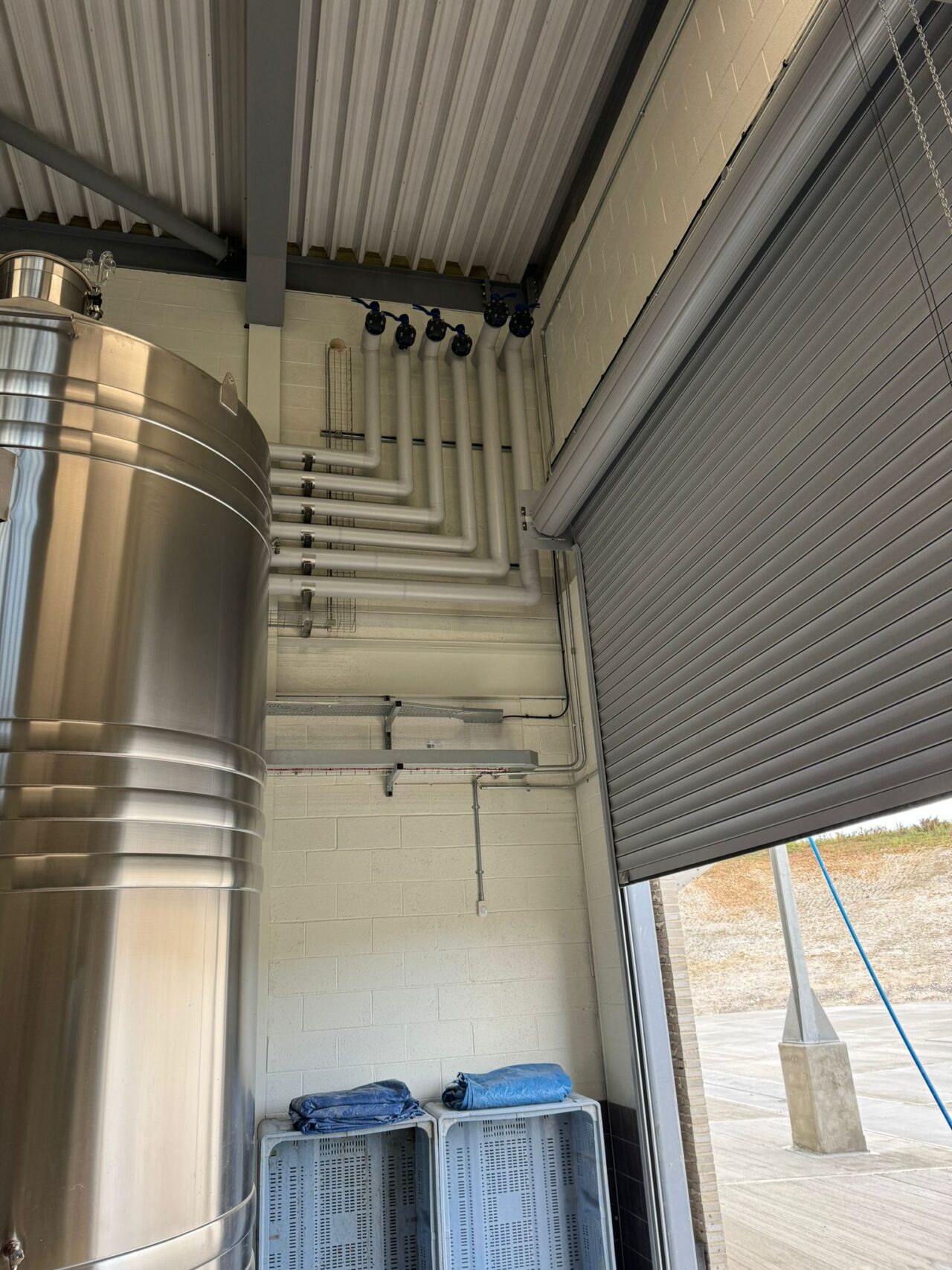
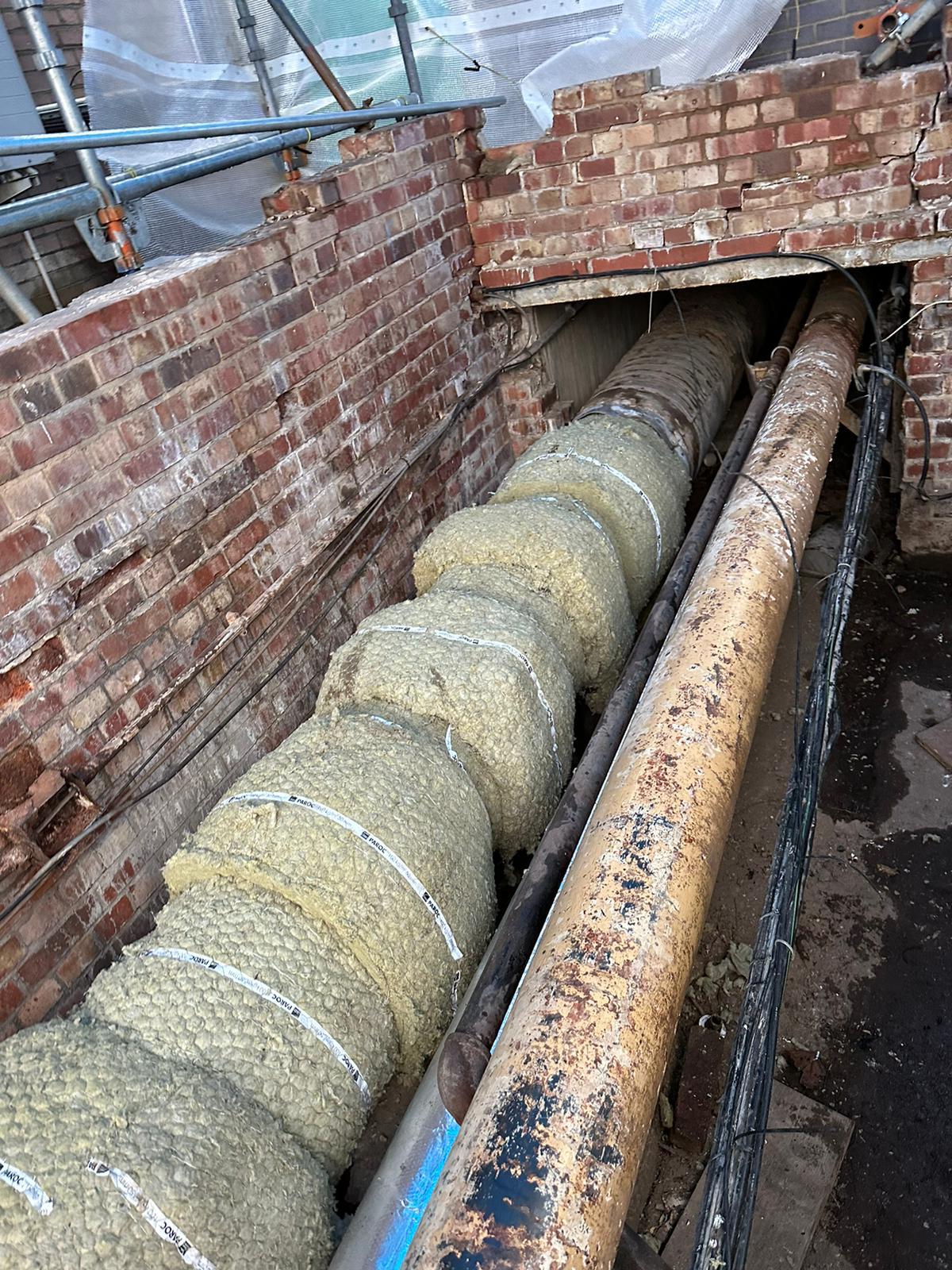
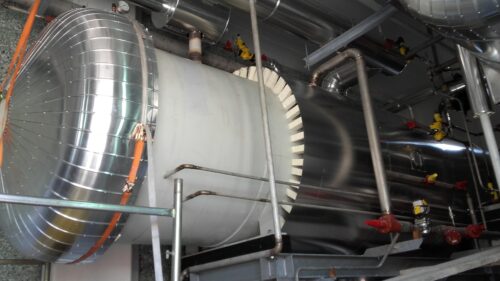
Mineral wool, calcium silicate and cellular glass systems installed to BS 5422 and BS EN ISO 12241 — covering pipework, vessels, tanks, heat exchangers, ductwork and ancillary equipment. Temperature range from below ambient to 600°C+.
Acoustic Insulation
Where plant noise exceeds regulatory limits or creates operational problems, we design and install acoustic insulation systems engineered to reduce airborne sound transmission — protecting personnel and surrounding areas.
Foam Injection Insulation
For pipework in restricted access locations, existing voids, or pre-lagged systems requiring top-up, foam injection provides effective thermal performance without full strip and re-insulation. Suitable for food, pharmaceutical and chemical plant.
Frequently Asked Questions
Can you work within pharmaceutical or food-grade environments?
Yes. We work within GMP-compliant pharmaceutical facilities and food production environments. We carry out documented risk assessments, use appropriate materials and PPE, follow site-specific hygiene protocols, and work within production windows to maintain continuity.
What is BS EN 17956 and why does it matter for manufacturing plant?
BS EN 17956 is the European standard for energy auditing of industrial insulation systems. It establishes energy performance classes for thermal insulation on industrial pipework, vessels and equipment. Energy Class C is our minimum standard for efficiency work — it provides a verified, calculable benchmark for heat loss reduction and return on investment.
Can Fenix survey our existing insulation and identify energy losses?
Yes. We carry out thermal imaging surveys and manual inspection of process pipework, vessels and plant equipment. Outputs include a heat loss report, annual energy loss in kWh, estimated CO₂ equivalent, and a prioritised schedule of remedial works with payback period per item.
Do you work on live, operational manufacturing plant?
Yes. We regularly work on live plant in production environments. We plan access around shift patterns, maintenance windows and planned shutdowns, and produce risk assessments and method statements that address the specific hazards of each site.
What industries do you cover under manufacturing and process?
We work across food and beverage, pharmaceutical, chemical, paper and packaging, brewing and distilling, and general manufacturing. If the facility has process pipework, vessels, heat exchangers or temperature-controlled equipment, we can insulate it.
Related Services
Each of the following services can be applied within this sector. Follow the links for full technical scope, applicable standards and project examples.
Our Work in Manufacturing and Process
Recent manufacturing and process insulation projects