Pipework Insulation
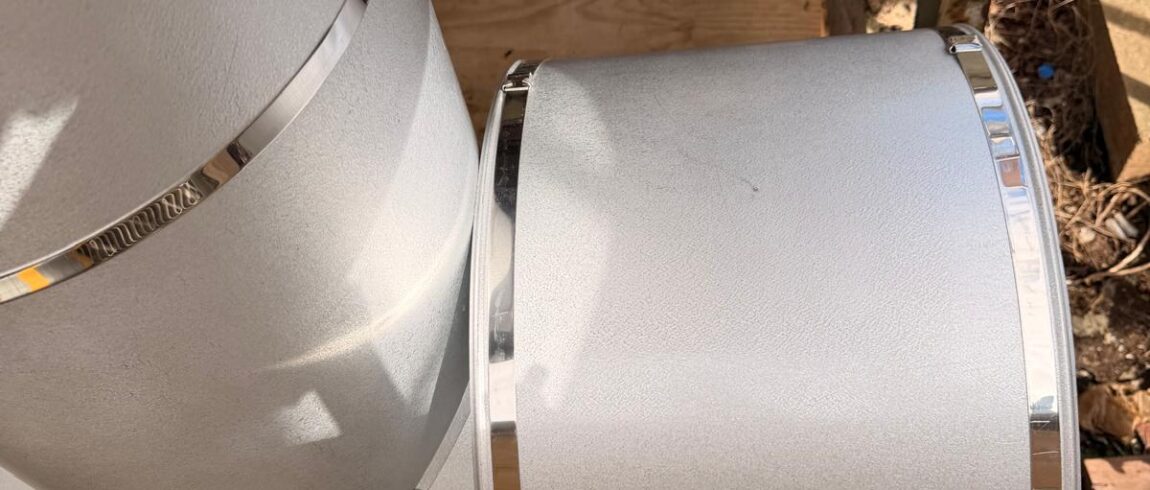
Pipework Insulation
Pipework insulation is the most common element of any industrial insulation programme — and the one where specification, material selection, and installation quality have the most direct impact on system performance. Fenix installs pipework insulation across all temperature ranges, fluid types, and operating environments — from hot and cold water and steam systems to high-temperature process pipework and cryogenic lines. All work is specified to BS EN ISO 12241 or the relevant application standard.
Specification First
The starting point for any pipework insulation job is the specification — what temperature range, what fluid, what environment, and what performance the insulation system needs to achieve. Get the specification wrong and the insulation either fails to perform or fails in service.
Fenix works from the client’s specification where one exists, and produces a written insulation specification where it does not — tied to the relevant BS standard and including the required insulation thickness calculation. This is standard practice on industrial plant and process work where the client may not have a dedicated insulation specification in place.
Where there is no client specification, we produce one. We calculate the required insulation thickness for the operating temperature and ambient conditions, select the appropriate insulation material, and document the complete system specification before installation begins.
What We Insulate
- Hot water and chilled water distribution pipework
- Steam distribution and condensate return systems
- Process pipework — high temperature and chemically aggressive fluids
- Refrigeration and cold service pipework
- Cryogenic pipework — down to -170°C
- Instrument air and gas lines
- Domestic hot and cold water services in plant rooms
- Trace-heated pipework (insulation over the trace)
Pipework insulation accounts for the majority of insulation work on most industrial and M&E projects. It is also the category where the most variation exists in specification quality — from correctly calculated and properly installed systems that last for decades, to under-specified or incorrectly installed systems that perform poorly from day one.
The most common failures are: insulation specified at less than the calculated required thickness; wrong material selected for the operating temperature range or moisture environment; insulation installed without proper vapour barrier on cold services; and cladding installed without adequate weather-sealing on outdoor plant.
Fenix’s installation teams work from written specifications and installation standards. Insulation thickness is checked against the specification on site. Vapour barriers are installed on cold services as a matter of course. Cladding is weather-sealed at all joints, penetrations, and low points.
We work on industrial process plant, utilities, building services pipework in plant rooms and risers, and M&E contractor packages across new build, refurbishment, and operational maintenance programmes. All work documented against BS EN ISO 12241.
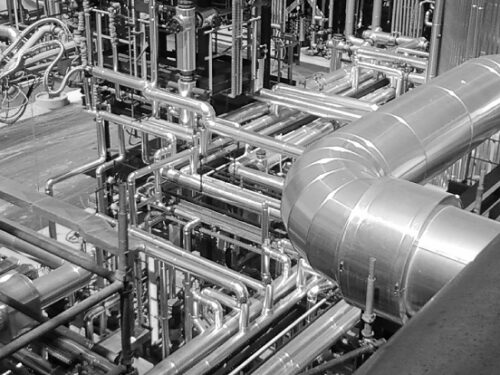
Frequently Asked Questions
-
What standards apply to pipework insulation?
Industrial pipework insulation is designed and installed to BS EN ISO 12241, which provides the calculation methodology for required insulation thickness based on operating temperature, ambient conditions, and the performance requirement. For building services pipework, BS 5970 also applies. Fenix works to these standards as a minimum and ties all work back to the relevant BS standard, including on projects where no client specification exists.
-
How is the required insulation thickness calculated?
Insulation thickness is calculated from the operating temperature of the pipework, the ambient temperature, the thermal conductivity of the insulation material at the mean temperature, and the required performance — typically either a maximum heat loss per metre or a maximum surface temperature. BS EN ISO 12241 provides the calculation methodology. Fenix carries out this calculation and documents it as part of the specification for all industrial pipework insulation work.
-
What insulation materials do you use for pipework?
Material selection depends on the temperature range and environment. Mineral wool (glass wool or rock wool) is the standard material for hot services. Elastomeric foam is used for cold services and domestic hot and cold water where condensation prevention is required. Calcium silicate is used for high-temperature steam and process applications. Cellular glass is used where vapour impermeability is critical — cryogenic applications and CUI prevention. Phenolic board is used where thin-profile high-performance insulation is required.
-
Can you work on live pipework systems?
Yes. Fenix carries out pipework insulation work on live operating plant — either because a full shutdown is not available, or because the programme requires insulation work to run alongside live operations. We manage permit-to-work, coordinate with site operations, and implement hot work controls as required. All risk assessments and method statements are produced in-house.
-
Do you insulate pipework as part of a larger M&E package?
Yes. A significant proportion of Fenix’s pipework insulation work is as an insulation sub-contractor on M&E and mechanical contractor packages — working off drawings, attending programme meetings, and interfacing with other trades on site. We are familiar with the programme pressures on M&E projects and work accordingly.
Proven in the field
Live re-insulation, nine-month payback
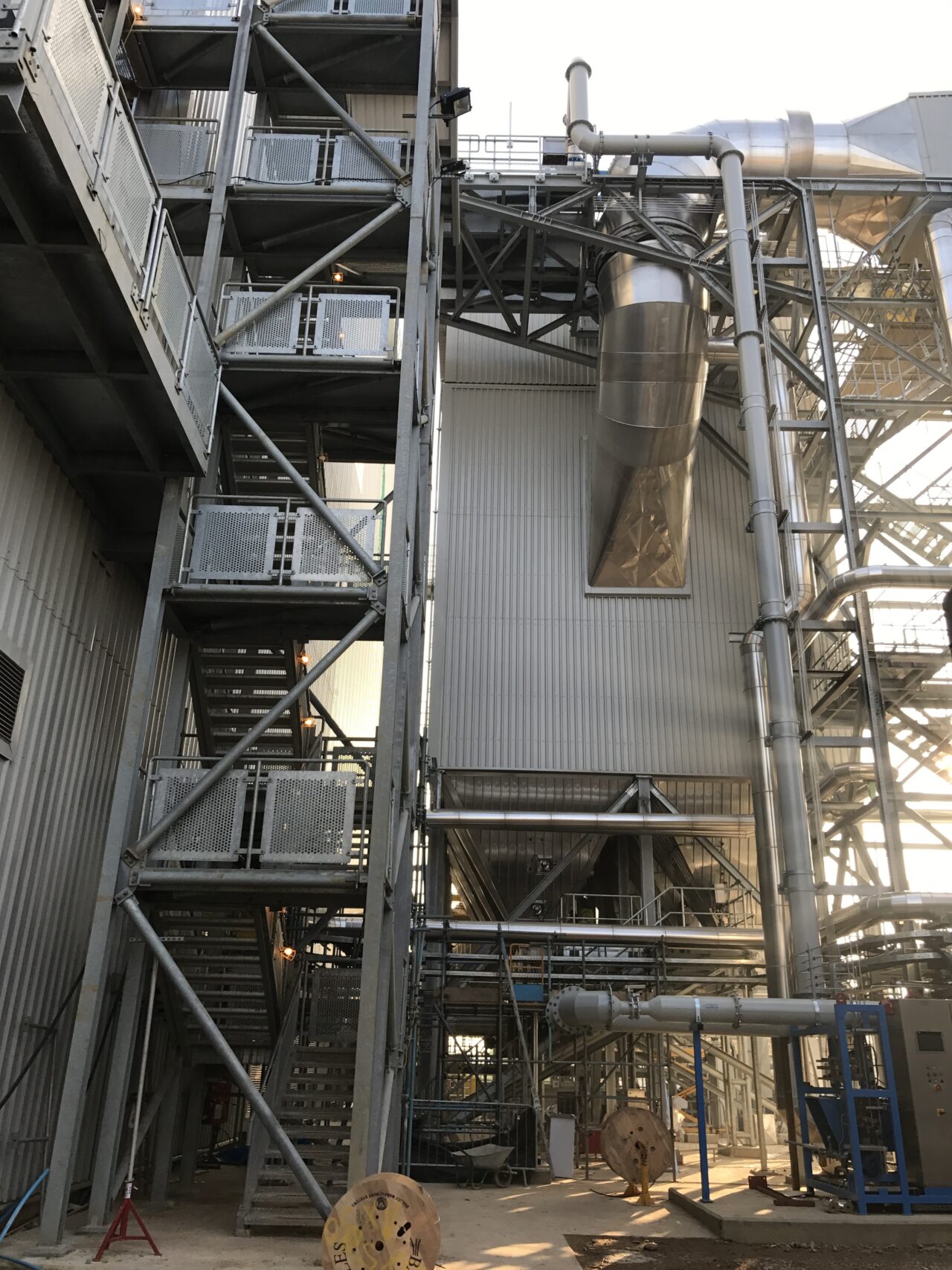
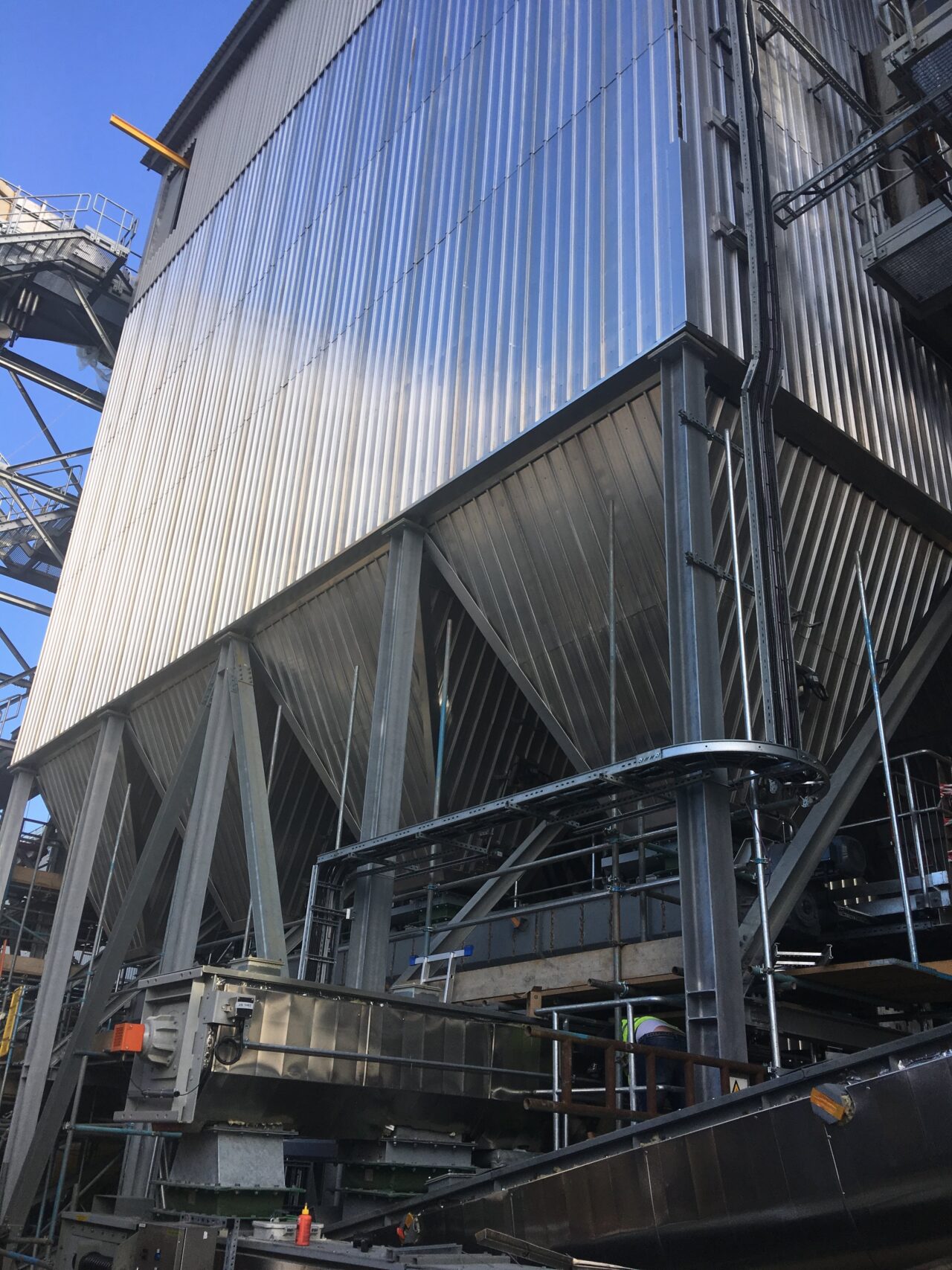
An ageing energy-from-waste plant in Kent was running with deteriorated and bare equipment, radiating heat straight into the building. Fenix re-insulated the plant live — while it continued burning waste and generating power, with no shutdown. The upgrade returned its full cost inside nine months.
Read the Kent EfW case studyGallery
The core of every job