Thermal Insulation
The core of every job
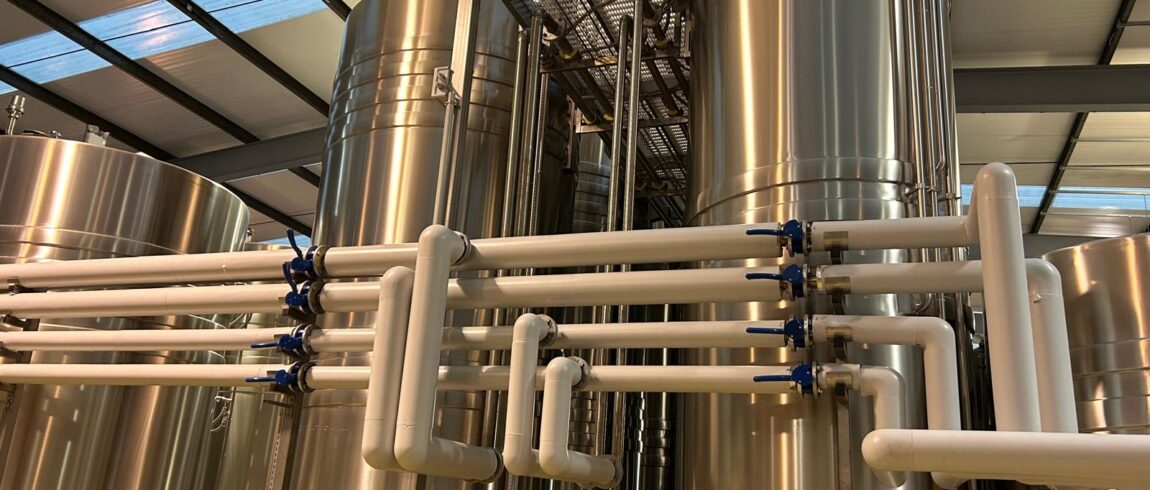
Industrial Thermal Insulation
Thermal insulation is the foundation of almost every industrial, process, and M&E project Fenix works on. Whether you are specifying pipework, vessels, ductwork, or equipment — the insulation system must be matched to the operating temperature, the environment, and the applicable standards. Fenix specifies, supplies, and installs industrial thermal insulation systems across the UK, working to BS EN ISO 12241 as a minimum and tying every job back to a relevant BS standard where no client specification exists.
The Specification Challenge
Industrial thermal insulation is not a commodity task. The system must be specified correctly from the start — the wrong material, thickness, or installation detail produces heat loss, condensation risk, and asset deterioration.
Operating temperature, surface temperature, ambient conditions, moisture exposure, and the need for removable access all affect system selection. A single pipework run may require different materials across its length depending on what it passes through.
Fenix works to BS EN ISO 12241 for thermal insulation calculations and specification. Where a client has an existing specification, we work to it. Where they do not, we develop one — tied to the relevant British Standard.
What We Cover
- Pipework insulation — process, HVAC, utilities, hot and cold services
- Vessel and tank insulation — storage, process, reaction vessels
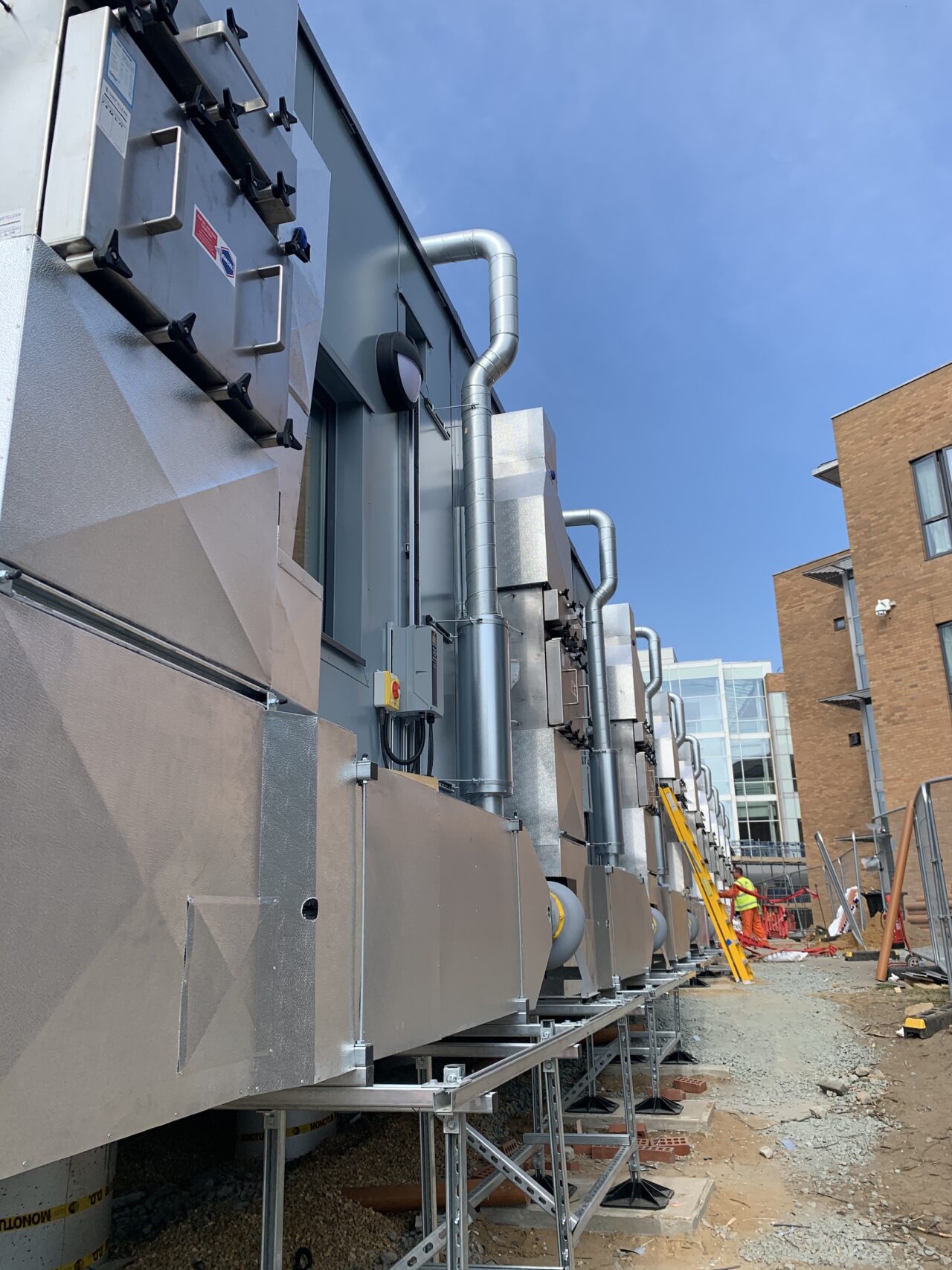
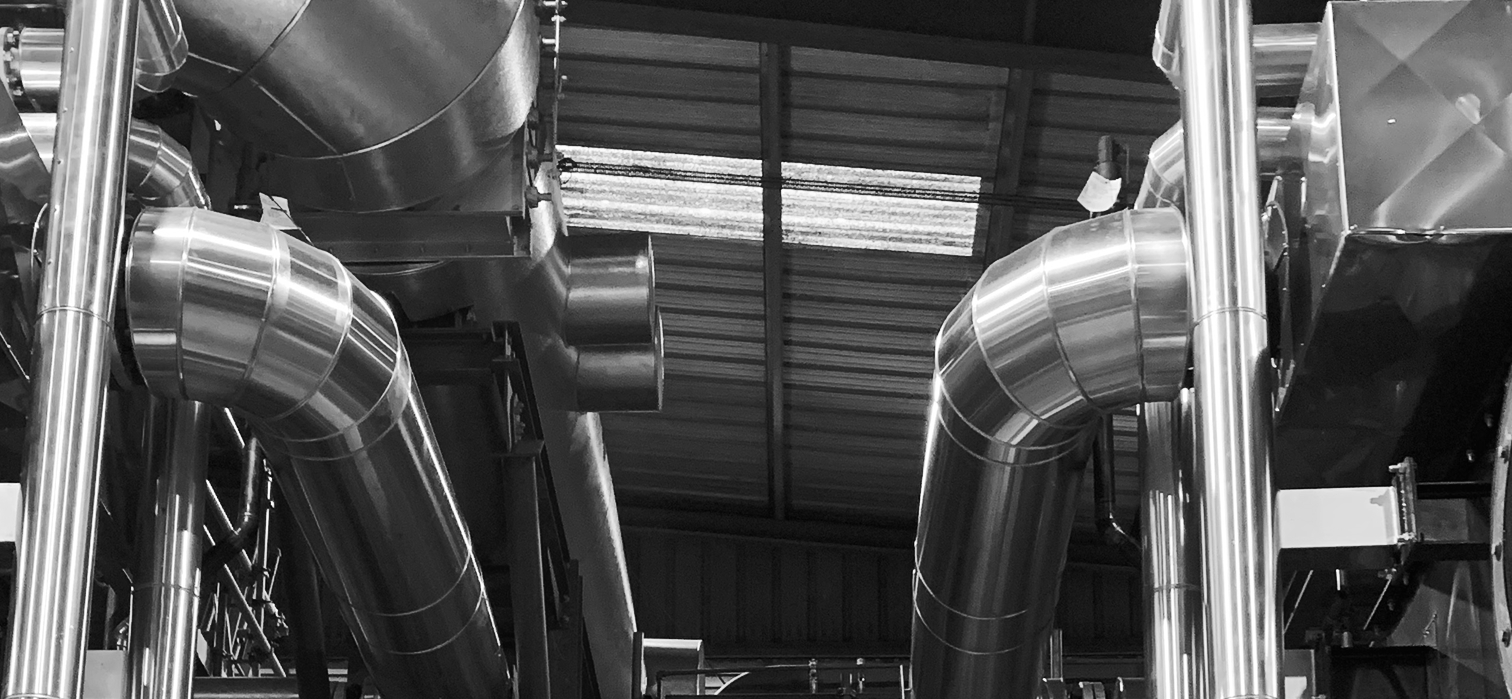
- Ductwork and equipment insulation
- Boiler and heat exchanger insulation
- High-temperature industrial process plant
- New build, refurbishment, and planned maintenance
Most projects Fenix works on involve thermal insulation in some form — it sits alongside almost every other service we deliver. That breadth means we have practical experience across a wide range of materials, operating environments, and client specifications.
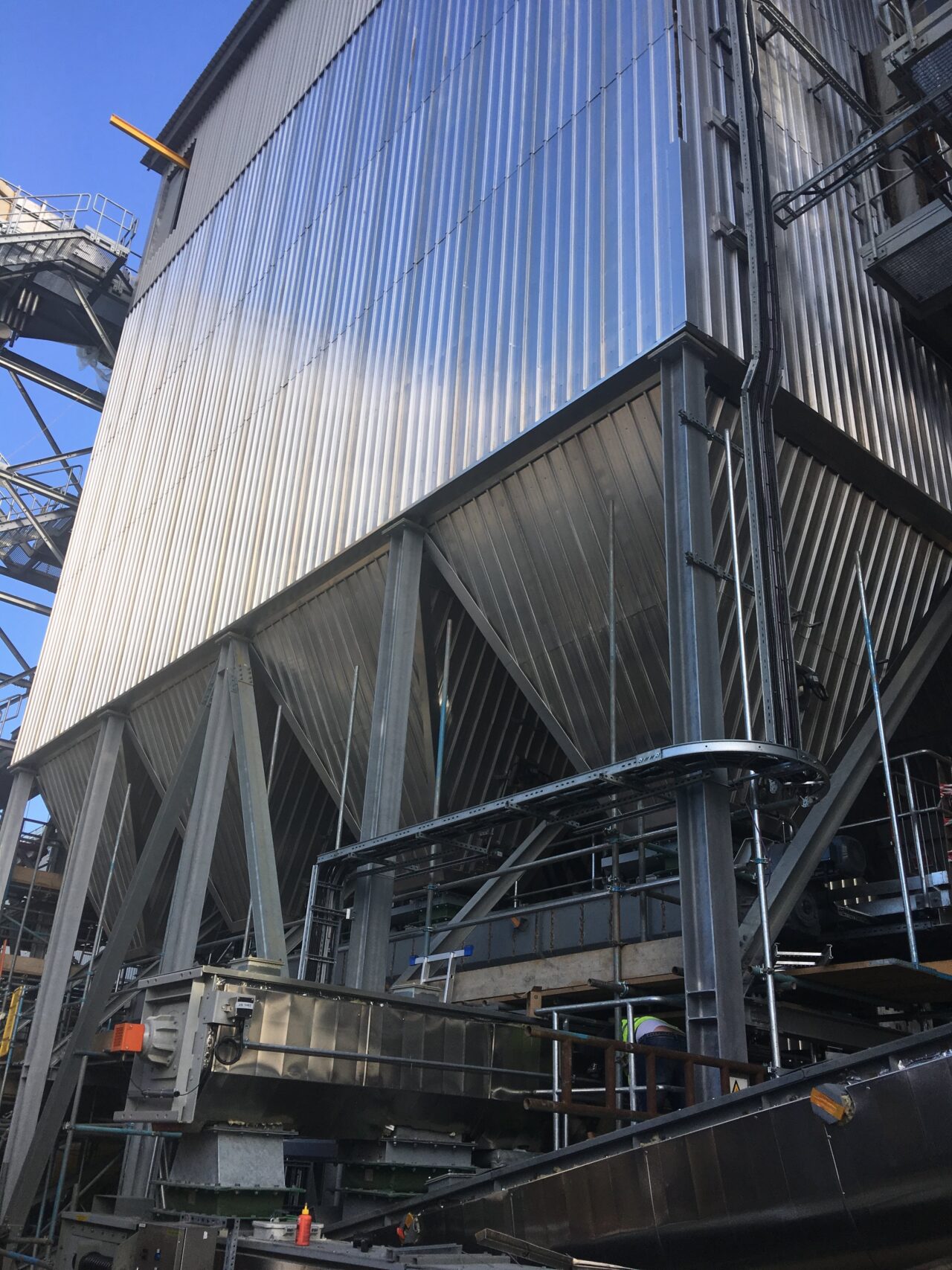
We install mineral wool (glass and rock), calcium silicate, elastomeric foam, and phenolic board systems, selecting the material to match the temperature range, moisture risk, and access requirements of each application. All systems are finished with the appropriate cladding to protect the insulation in service.
For clients without a formal specification, Fenix produces a written thermal insulation schedule as part of the job. We calculate the required insulation thickness to meet the heat loss or surface temperature limit required, specify the material and installation standard, and provide documentation the client can hold on record.
We maintain our own health and safety documentation. All work is signed off to the relevant BS standard — BS EN ISO 12241 as a minimum, with additional standards applied where the specification or sector demands it.
Frequently Asked Questions
What standards does Fenix work to for thermal insulation?
All thermal insulation work is carried out to BS EN ISO 12241 as a minimum for industrial and building services applications. Where a job falls under a more specific standard — such as BS 5970 for building services — we work to those requirements. For projects where no specification exists, Fenix produces one tied to the relevant BS standard and provides it as part of the job documentation.
What insulation materials do you install?
We install mineral wool (glass wool and rock wool), calcium silicate for high-temperature applications, elastomeric foam for cold services and condensation control, and phenolic board where thin-profile high-performance insulation is required. Material selection is based on operating temperature range, moisture exposure, access requirements, and whether the installation needs to be removable or permanent.
Can you provide thermal calculations as part of the job?
Yes. Fenix carries out thermal insulation calculations — including required thickness calculations to achieve a specific surface temperature limit or heat loss target — as standard on industrial and process plant work. This is particularly important on sites where no formal insulation specification exists. The calculation output forms part of our job documentation and can be provided to the client on request.
Do you work on live plant?
Yes. A significant proportion of our thermal insulation work is carried out on operational plant — either because a full shutdown is not available, or because the work is a planned maintenance programme running alongside live operations. We manage permit-to-work, coordinate with site operations teams, and implement hot work controls as required. Risk assessments and method statements are produced in-house.
What sectors do you work in for thermal insulation?
Our thermal insulation work covers oil and gas, power generation, process manufacturing, food and cold chain, water and wastewater treatment, and M&E and mechanical contractor packages. We work on industrial plant, commercial building services with a process or M&E element, and utility infrastructure.
Proven in the field
Live re-insulation, nine-month payback
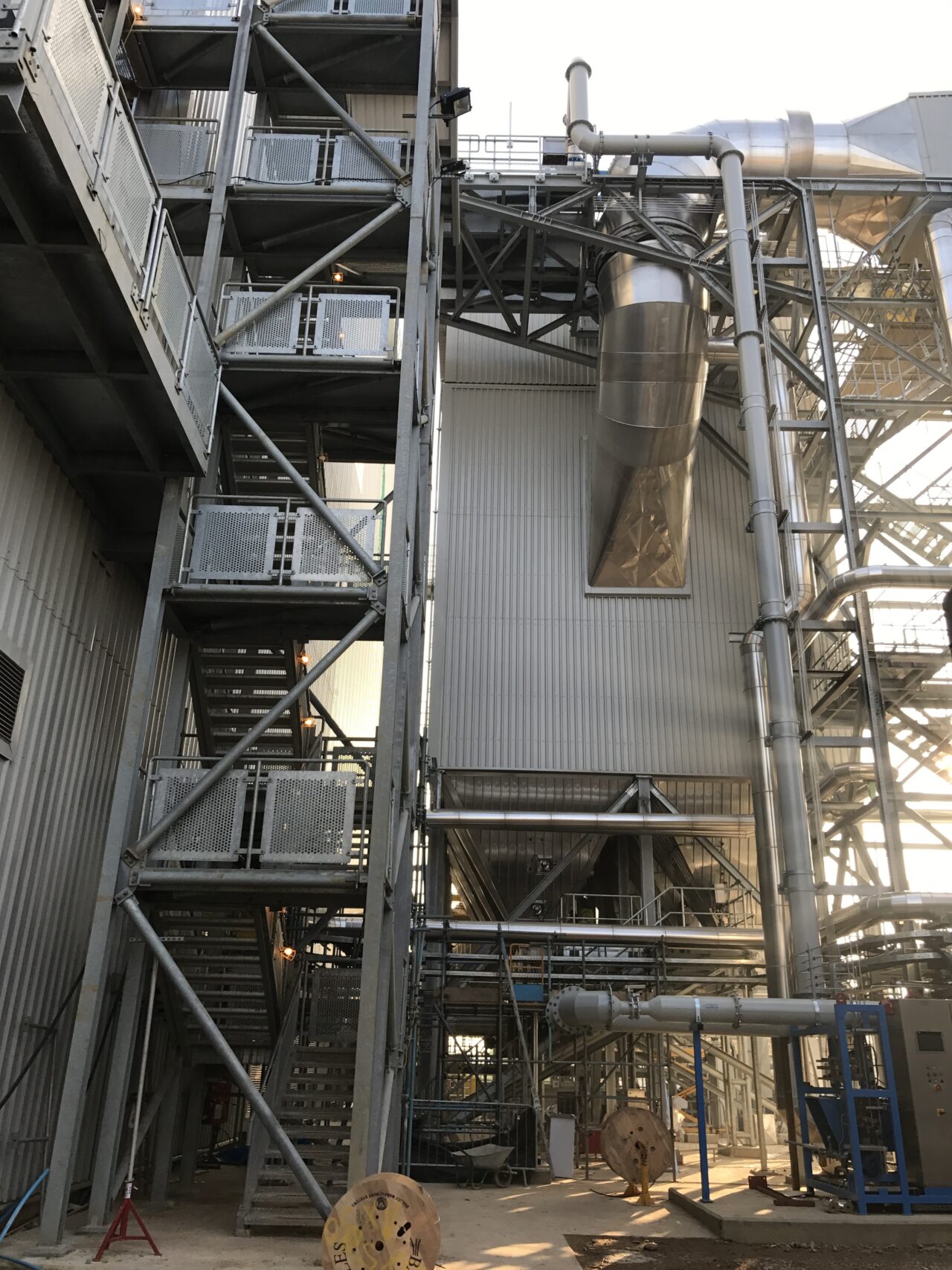
An ageing energy-from-waste plant in Kent was running with deteriorated and bare equipment, radiating heat straight into the building. Fenix re-insulated the plant live — while it continued burning waste and generating power, with no shutdown. The upgrade returned its full cost inside nine months.
Read the Kent EfW case studyGallery
The core of every job