Vessel and Tank Insulation
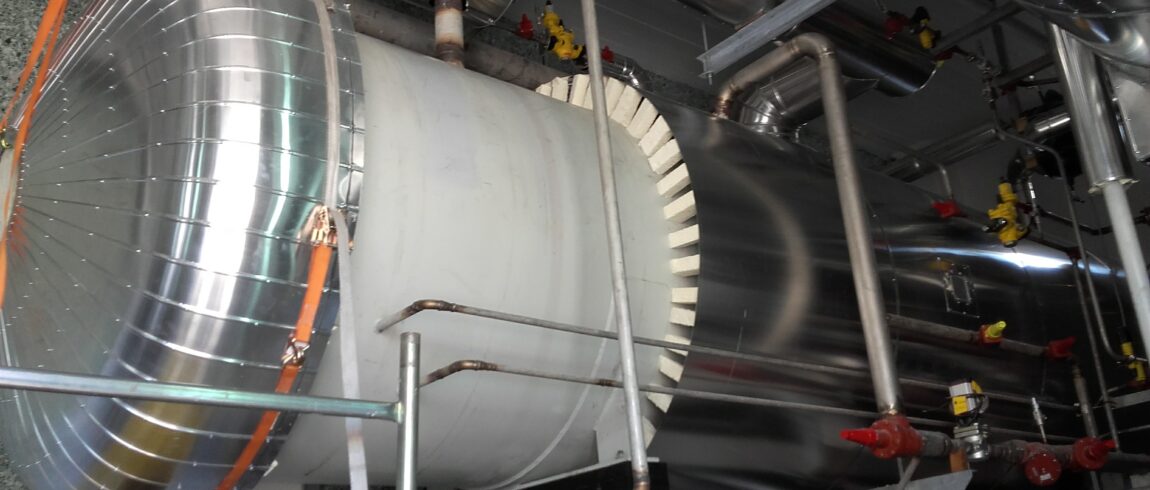
Vessel and Tank Insulation
Vessel and tank insulation covers a wide range of industrial plant — from simple hot water storage tanks to complex process vessels operating at extreme temperatures, internal pressures, and in chemically aggressive environments. Fenix installs vessel and tank insulation for industrial operators and M&E contractors across the UK, working from the client’s specification where one exists and producing a written insulation specification tied to BS EN ISO 12241 where it does not.
The Specification Challenge
Vessel and tank insulation is more complex than pipework insulation in almost every respect. The geometry varies — flat ends, domed heads, tapered sections, nozzles, instrument connections, manholes, and support structures all require bespoke insulation details. The operating regime may involve thermal cycling, pressurisation, or process fluids that affect material selection and installation method.
Large process vessels present additional challenges. The insulation must accommodate thermal movement of the vessel shell — both the expansion at operating temperature and the contraction during cool-down. Support structures and insulation fixings must not create thermal bridges or water traps. Insulation at nozzle connections and structural attachment points requires careful detailing.
Fenix specifies vessel insulation from the operating temperature, the required thermal performance, the vessel geometry, and the environmental exposure. We produce a written specification and installation plan before work starts.
What We Cover
- Hot water and thermal storage tanks
- Process vessels — reactors, separators, heat exchangers
- Storage tanks — product and intermediate storage
- Cryogenic vessels and liquid gas storage
- Expansion vessels and buffer tanks
- Pressure vessels — steam drums, blow-down vessels
- Atmospheric tanks — fuel oil and chemical storage
- Combined vessel and pipework insulation packages
The range of vessels that require insulation is wide — from a simple hot water buffer tank in a plant room to large liquid gas storage vessels. The common requirement is that the insulation system must perform reliably for the life of the vessel, in the operating environment, without the kind of degradation that leads to unplanned maintenance or integrity concerns.
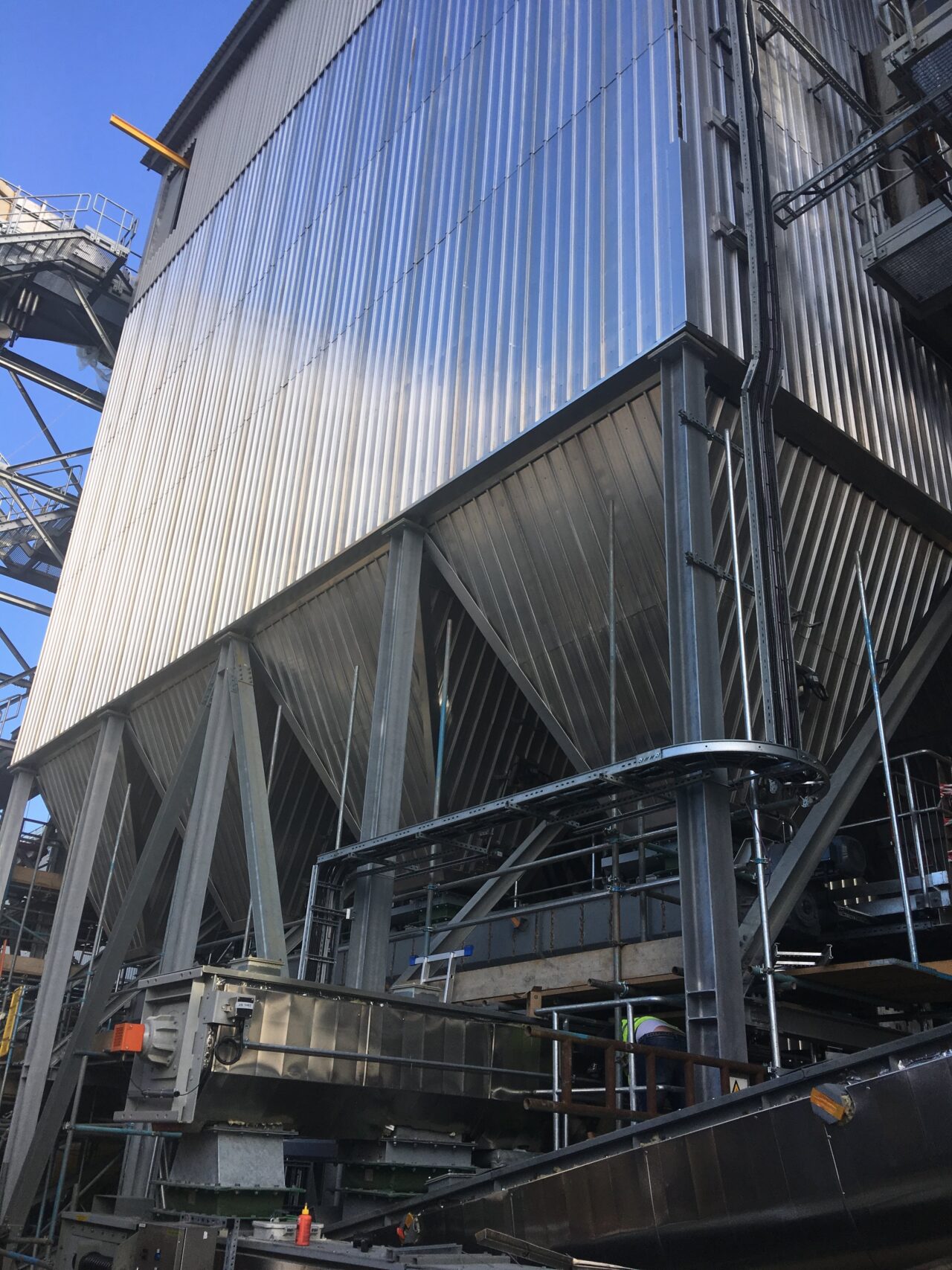
For industrial process vessels, Fenix approaches the insulation as an engineered system. The shell insulation thickness is calculated. The end-cap detail is designed to maintain continuity with the shell insulation. Nozzle connections are individually detailed. Support skirts and lifting attachment points are dealt with to avoid thermal bridging and water ingress. The cladding is designed for the outdoor or indoor environment and the access requirements of the vessel.
For food and pharmaceutical clients, vessel insulation must also meet hygiene requirements. Smooth, cleanable cladding surfaces, sealed joints, and no horizontal surfaces that can harbour contamination are standard requirements in these environments. Fenix has experience in both the specification and installation of hygienic vessel insulation systems.
We work on new vessels at point of installation and on existing plant where the insulation has degraded or was never installed to an adequate standard. All vessel insulation work is documented against BS EN ISO 12241 and provided with a written handover record including material certificates and a photographic installation record.
Frequently Asked Questions
-
What types of vessel and tank insulation does Fenix install?
We install insulation on hot water and thermal storage tanks, process vessels including reactors and separators, liquid storage tanks across a range of operating temperatures, cryogenic vessels down to -170°C, pressure vessels and steam drums, and atmospheric storage tanks for product and chemical storage. For each vessel type, the insulation system is specified to suit the operating temperature, the vessel geometry, the environmental exposure, and any process or hygiene requirements.
-
How is vessel insulation specified differently from pipework insulation?
Vessel insulation involves more complex geometry — flat ends, domed heads, multiple nozzle connections, structural supports, and lifting points all require individual insulation details rather than a standard section. The insulation system must also accommodate the thermal movement of the vessel shell, which varies significantly between operating and cold conditions. For large process vessels, the expansion and contraction forces on the insulation and cladding system need to be accounted for in the design.
-
Can you insulate vessels in situ on an operating plant?
Yes. Fenix insulates vessels in situ on operating plants — either during planned maintenance windows or, where the vessel remains hot, working around the operating schedule. We manage permit-to-work, coordinate with operations teams, and implement working-at-height controls for tall vessels. Where scaffold or access equipment is required, we include this in our scope and manage it directly.
-
What cladding do you use on vessel insulation?
Vessel cladding is typically aluminium for indoor or sheltered installations, stainless steel where corrosion resistance, hygiene, or appearance is a requirement, and galvanised steel where cost and environmental durability must be balanced. For outdoor vessels, the cladding is designed with weather-sealed lap joints on the shell sections, properly flashed nozzle penetrations, and designed drainage at low points to prevent water ponding and the conditions that lead to CUI.
-
Do you handle the full package — insulation and cladding?
Yes. Fenix installs both the insulation and the cladding as a single package — we do not split the scope between an insulation installer and a separate cladding contractor. This means one point of responsibility for the complete installed system, consistent quality across both elements, and a single handover record covering insulation specification, material certificates, and cladding installation.
Proven in the field
Live re-insulation, nine-month payback
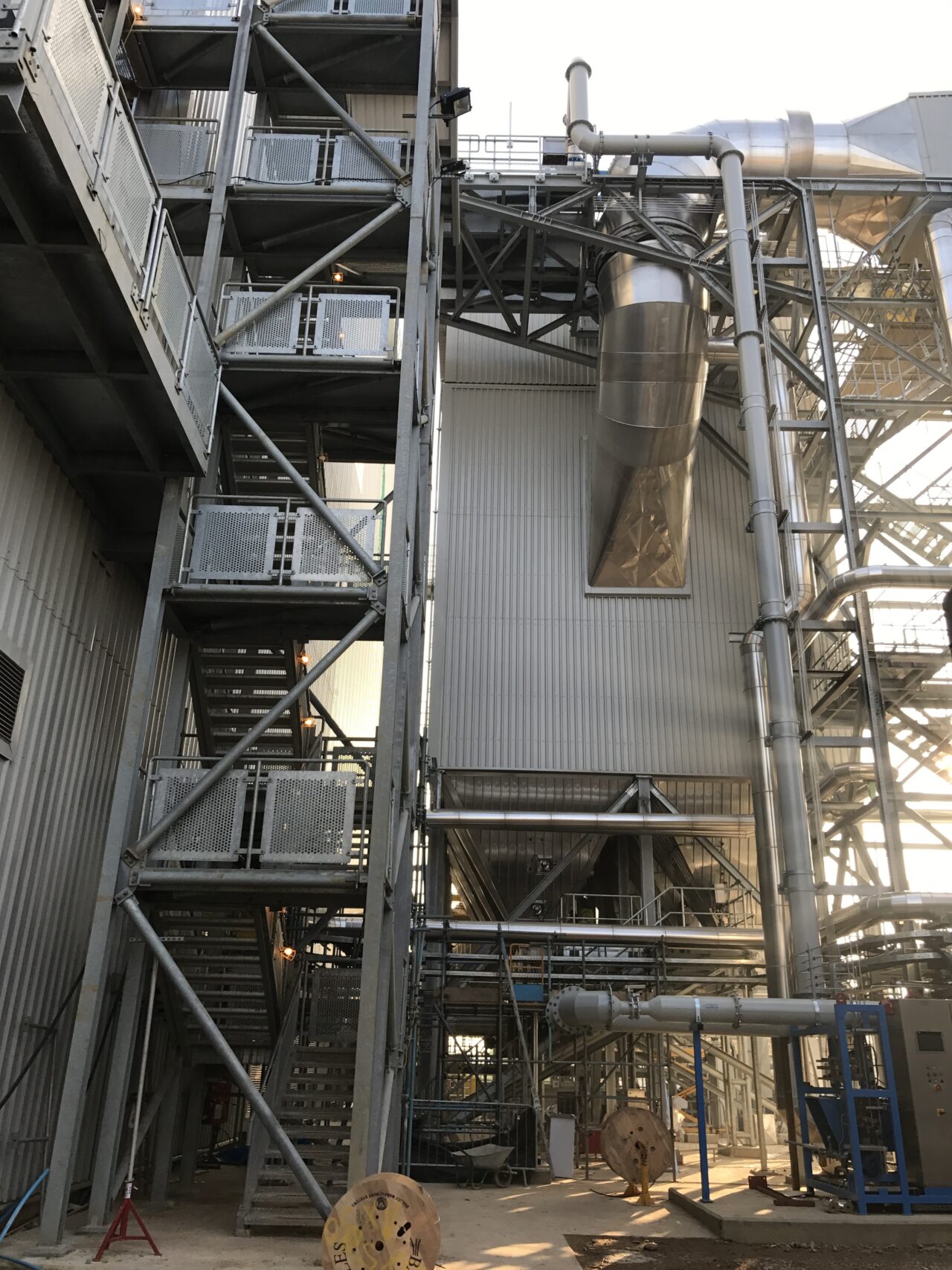
An ageing energy-from-waste plant in Kent was running with deteriorated and bare equipment, radiating heat straight into the building. Fenix re-insulated the plant live — while it continued burning waste and generating power, with no shutdown. The upgrade returned its full cost inside nine months.
Read the Kent EfW case studyGallery
The core of every job